


close
Choose Your Site
Global
Social Media


Views: 222 Author: Rebecca Publish Time: 2026-01-04 Origin: Site


Content Menu
● Understanding Masterbatch and Its Role in Polymer Manufacturing
● UV Radiation and Its Effects on Polypropylene
● How PP Masterbatch Enhances UV Resistance
>> 1. Efficient Dispersion of UV Additives
>> 2. Integration of UV Absorbers and HALS
>> 3. Customized Formulations for Outdoor Applications
>> 4. Protection Against Thermal Degradation
● Benefits of Using PP Masterbatch for Outdoor Products
● Key Considerations When Choosing a PP Masterbatch
● Applications of UV-Resistant PP Masterbatch in Industry
● Innovations in PP Masterbatch Technology
● FAQ
>> 1. What is PP Masterbatch made of?
>> 2. How does Masterbatch improve UV resistance?
>> 3. Can PP Masterbatch be used with other polymers?
>> 4. What factors affect the effectiveness of UV Masterbatch?
>> 5. Is UV-resistant Masterbatch environmentally friendly?
Sunlight exposure is one of the biggest challenges in designing and manufacturing outdoor plastic products. Prolonged ultraviolet (UV) radiation can degrade polymer chains, causing fading, brittleness, and loss of mechanical strength. For industries producing outdoor furniture, packaging, pipes, agricultural films, or automotive components, improving UV resistance is critical for product durability and customer satisfaction. One of the most effective and economical solutions is the use of PP Masterbatch — a concentrated mixture of additives and pigments dispersed in polypropylene (PP) resin.
PP Masterbatch has become an essential component in modern plastic production, ensuring materials can withstand harsh environmental conditions while maintaining performance and appearance. This article explores how PP Masterbatch enhances UV resistance in outdoor products and why manufacturers worldwide rely on this technology.
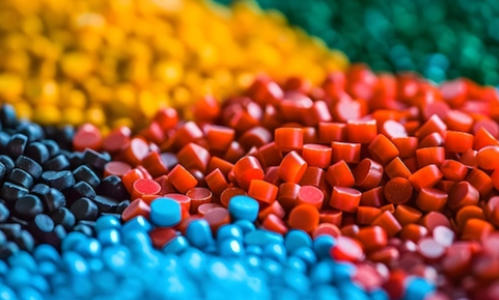
Masterbatch is a solid additive mixture used to impart specific properties to base polymers. It consists of concentrated pigments and functional additives encapsulated in a carrier resin compatible with the host material. When blended with natural plastic during processing, Masterbatch enables uniform dispersion of additives without direct handling of powders or liquids, which simplifies production, improves dosing precision, and ensures consistent quality.
There are several types of masterbatch used in the plastic industry:
- Color Masterbatch: Provides color and aesthetic effects.
- Additive Masterbatch: Enhances performance with UV stabilizers, flame retardants, or antistatic agents.
- Filler Masterbatch: Reduces cost and improves stiffness using calcium carbonate or talc.
- Combination Masterbatch: Integrates multiple functionalities, such as UV protection and color stabilization.
PP Masterbatch, specifically designed for polypropylene materials, provides targeted properties to meet the demands of outdoor applications, where sunlight degradation is a major concern.
Polypropylene, while versatile and cost-effective, is inherently vulnerable to ultraviolet radiation. When PP products are exposed to sunlight, UV photons break down polymer chains in a process known as photo-oxidation. This causes:
1. Surface cracking and chalking, as oxidation forms brittle layers.
2. Color fading, due to pigment degradation and polymer yellowing.
3. Loss of mechanical strength, reducing impact resistance and flexibility.
4. Product failure, as structural integrity weakens over time.
Without proper stabilization, outdoor products made from PP can lose up to 50% of their mechanical properties within months of exposure, depending on geographic location and environmental intensity. To prevent this degradation, UV stabilizers must be incorporated into the polymer — a task efficiently achieved through PP Masterbatch formulations.
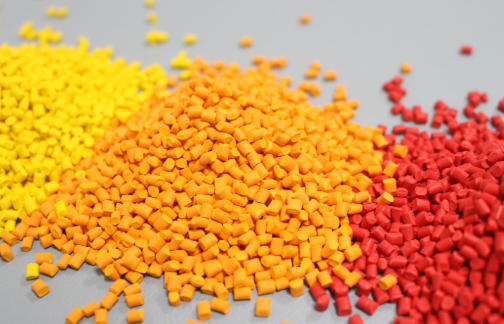
One of the defining advantages of PP Masterbatch is its ability to distribute UV-protective additives evenly throughout the polymer matrix. Traditional blending methods often lead to uneven additive distribution, resulting in weak zones prone to degradation. Using Masterbatch as a carrier ensures precise dosing and optimal dispersion, maintaining consistent UV resistance across the entire product.
UV-absorbing additives and Hindered Amine Light Stabilizers (HALS) are the two main components incorporated within PP Masterbatch formulations.
- UV Absorbers: These materials absorb harmful UV radiation and convert it into harmless heat energy, preventing the radiation from interacting directly with polymer chains.
- HALS (Hindered Amine Light Stabilizers): HALS do not absorb UV light but instead neutralize free radicals formed during photo-oxidation. This continuous scavenging mechanism dramatically slows degradation.
When combined within PP Masterbatch, these additives form a synergistic system that offers long-term protection against UV-induced embrittlement and color fading.
Different outdoor applications require different levels of UV protection. A PP Masterbatch manufacturer can formulate specific recipes tailored for:
- Agricultural films, requiring high transparency and long-term sunlight exposure resistance.
- Outdoor furniture, demanding color stability and surface gloss retention.
- Automotive components, where thermal and UV resistance must balance structural performance.
- Packaging materials, particularly for food, beverages, and chemicals stored outdoors.
Custom formulations ensure manufacturers achieve the right balance between performance, cost, and appearance.
UV and thermal degradation often occur together. The PP Masterbatch acts not only as a UV shield but also as a thermal stabilizer, helping polymers resist oxidation during processing and throughout their life cycle. This dual protection ensures that the mechanical and physical properties of PP remain stable even under combined heat and light exposure.
Incorporating PP Masterbatch into product manufacturing delivers numerous technical and economic benefits:
- Enhanced Lifespan: Prolongs service life of outdoor products by reducing polymer degradation.
- Improved Color Retention: Maintains aesthetic appeal despite prolonged sunlight exposure.
- Consistent Performance: Stabilizes mechanical strength, impact resistance, and flexibility.
- Ease of Processing: Simplifies material handling and mixing operations.
- Cost Efficiency: Reduces the need for over-engineering with thicker materials or expensive coatings.
By integrating PP Masterbatch, manufacturers can achieve sustainable production without compromising durability or quality.
Selecting the right PP Masterbatch depends on multiple performance and business factors:
1. Additive Type and Concentration: Verify that the Masterbatch contains suitable UV stabilizers for your target lifespan and environmental exposure.
2. Carrier Resin Compatibility: Ensure the PP Masterbatch carrier resin matches the base polymer to prevent poor dispersion or bonding.
3. Processing Conditions: Different processing temperatures and residence times affect additive activation.
4. Color and Transparency Requirements: Some stabilizers may influence optical clarity or color tone.
5. Regulatory Compliance: Especially important for food-contact or agricultural applications, ensure the formulation meets safety standards such as FDA or RoHS.
Consulting with an experienced Masterbatch supplier can help manufacturers optimize product performance and cost efficiency.
The versatility of PP Masterbatch makes it ideal across a range of industries that demand both functionality and aesthetic appeal in outdoor environments:
- Agriculture: Greenhouse films, irrigation pipes, twines, and mulch films rely on UV-resistant Masterbatch to maintain flexibility and prevent cracking.
- Construction: Roofing sheets, siding panels, and geotextiles use Masterbatch-based UV stabilizers for long-term endurance.
- Automotive: Bumpers, dashboards, and exterior trims incorporate PP Masterbatch to resist UV-induced discoloration.
- Consumer Goods: Outdoor chairs, storage containers, and bins remain visually appealing thanks to stabilized color Masterbatch.
- Packaging: UV-stabilized films and containers extend product shelf life by preventing photodegradation.
Each of these sectors benefits from custom PP Masterbatch solutions designed to perform under region-specific UV exposure levels.
Recent advancements in Masterbatch technology have made it possible to achieve superior protection with lower additive concentrations. Nanotechnology and reactive stabilizers are now incorporated to enhance dispersion and binding efficiency. For instance:
- Nano-UV absorbers provide high surface area, enabling effective UV blocking at lower dosages.
- Reactive stabilizers chemically bond with polymer chains, offering permanent UV protection that does not migrate over time.
- Eco-friendly PP Masterbatch formulations reduce reliance on heavy metals and non-biodegradable additives, aligning with global sustainability goals.
These innovations make PP Masterbatch an indispensable tool in next-generation outdoor product manufacturing.
PP Masterbatch stands at the forefront of plastic innovation, serving as a crucial solution to combat UV degradation in outdoor products. By combining UV absorbers, HALS technology, and advanced dispersion systems, PP Masterbatch ensures long-term durability, color stability, and mechanical performance even in harsh sunlight exposure. For manufacturers aiming to enhance product quality, extend lifespan, and minimize maintenance costs, adopting a well-formulated PP Masterbatch is a practical and sustainable strategy.
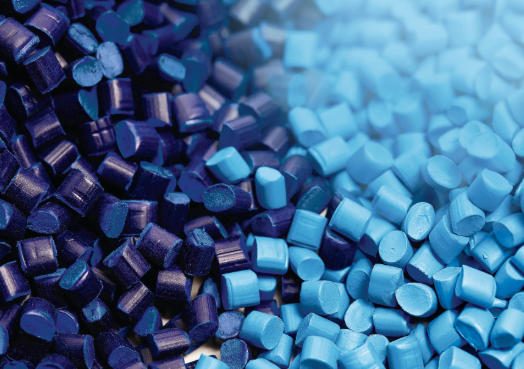
PP Masterbatch is composed of a polypropylene carrier resin mixed with concentrated additives such as UV stabilizers, color pigments, and processing aids. These additives are evenly dispersed to provide enhanced performance and easy handling during production.
It enhances UV resistance by incorporating UV absorbers and hindered amine stabilizers (HALS) that absorb or neutralize harmful radiation. This prevents photo-oxidative damage to polymer chains, maintaining product strength and appearance.
While designed primarily for polypropylene, some PP-based masterbatch formulations are compatible with other polyolefins such as polyethylene (PE). Manufacturers should verify compatibility before mixing.
Key factors include additive concentration, base resin quality, processing temperature, and exposure conditions (intensity and duration of sunlight). Selecting the right formulation for a specific environment ensures optimal results.
Modern PP Masterbatch uses eco-friendly, non-toxic stabilizers and pigments. Many formulations comply with environmental regulations like RoHS and REACH, promoting sustainable manufacturing practices.


