


close
Choose Your Site
Global
Social Media


Views: 222 Author: Rebecca Publish Time: 2025-12-31 Origin: Site


Content Menu
● Understanding PP Masterbatch
● Why Use PP Masterbatch Instead of Compounded Resins?
● Cost-Reduction Mechanisms Through PP Masterbatch
>> 2. Improved Production Efficiency
>> 3. Enhanced End-Product Quality
>> 5. Sustainability and Waste Reduction
● Types of PP Masterbatches and Their Cost Benefits
● PP Masterbatch in Different Industries
● Technological Innovations in PP Masterbatch
● Choosing the Right PP Masterbatch Supplier
● FAQ
>> 1. What is the ideal dosage of PP Masterbatch in production?
>> 2. Can PP Masterbatch be used with recycled polypropylene?
>> 3. How does PP Filler Masterbatch reduce cost?
>> 4. What are the primary benefits of using Additive Masterbatch?
>> 5. How should PP Masterbatch be stored for best performance?
Polypropylene (PP) is one of the most widely used thermoplastics in manufacturing, prized for its durability, chemical resistance, and versatility. However, to meet the diverse functional and aesthetic demands of modern industries, PP Masterbatch plays an essential role. It enhances the base polymer with color, UV resistance, flame retardancy, and other performance additives—all while optimizing cost-efficiency.
This article explores how PP Masterbatch contributes to cost-effective production across different sectors, from packaging and automotive to consumer goods and construction materials.
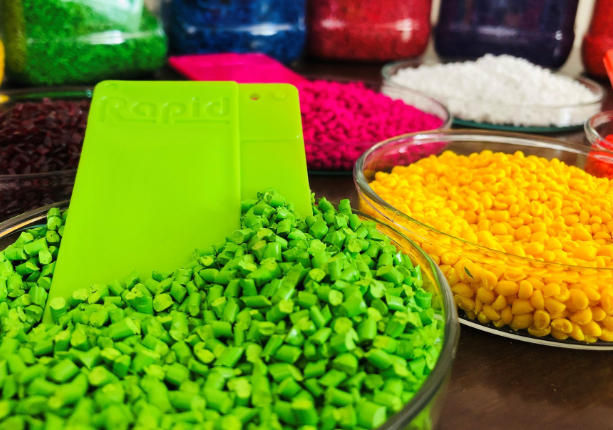
PP Masterbatch is a concentrated mixture of pigments and additives encapsulated into a PP carrier resin. The masterbatch is added to natural polypropylene in measured quantities during the processing stage, ensuring consistent dispersion of color and performance agents throughout the final product.
The composition of PP Masterbatch typically includes:
- A PP carrier resin (for compatibility)
- Active ingredients like pigments, fillers, or performance additives
- Dispersing agents and stabilizers
This formulation allows manufacturers to modify polymer properties precisely, improving both product performance and production economics.
Using PP Masterbatch rather than pre-compounded resin or direct pigment addition offers several clear advantages:
1. Improved Process Control: Masterbatch ensures more uniform distribution of additives.
2. Reduced Material Waste: You add only what's necessary to the base PP, minimizing waste.
3. Operational Flexibility: Manufacturers can switch colors or properties quickly without changing the base resin.
4. Enhanced Storage and Handling: Solid granules are easier to store and mix than liquid or powdered additives.
In essence, PP Masterbatch gives producers a leaner, more flexible production strategy.
To understand how PP Masterbatch contributes to cost-effective production, we can analyze the savings it provides across several stages of the manufacturing value chain.
By using Masterbatch, companies can purchase natural or virgin PP in bulk and add masterbatch only when needed. This avoids overpaying for pre-colored or pre-blended resins. The dosing ratio is usually between 1% and 5%, depending on the desired color or effect, ensuring efficient use of expensive additives.
For example, instead of producing separate lots of red, blue, or black PP, a factory can maintain a single inventory of natural PP and adjust batches with masterbatch as required.
Masterbatch simplifies operations by delivering stable and consistent quality. When pigments and additives are pre-dispersed in a carrier resin, they melt and mix easily during extrusion or injection molding. This reduces machine downtime and improves cycle time.
- Shorter coloring process: No need for time-consuming pigment blending.
- Reduced cleaning time: Faster resin changeovers minimize losses.
- Consistent results: Lower risk of defective products due to uneven coloration.
Reduced energy consumption also translates directly to cost savings, as processing parameters remain steady across batches.
Superior additive dispersion means fewer product flaws, higher mechanical performance, and better color consistency. Products with uniform strength and color not only meet customer expectations but also reduce returns and rework costs—a critical aspect of cost-effective production.
Quality stabilization through PP Masterbatch minimizes rejection rates, improving operational yield.
A single supplier or an internal formulation of PP Masterbatch eliminates the need to stock multiple grades of colored resin. Manufacturers can maintain a compact inventory of base polymer plus selected masterbatch types, freeing up capital and storage space.
Modern PP Masterbatch formulas can include recycled PP carrier resins and eco-friendly fillers, reducing the environmental footprint. Additionally, improved control during the production process means fewer scrap materials and more efficient recycling of off-grade products.
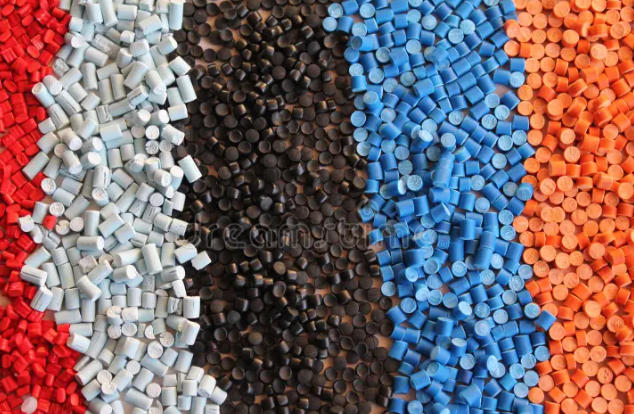
Different types of PP Masterbatch deliver distinct value depending on the industry's requirements.
Used to impart specific colors or aesthetic finishes to PP products.
Cost benefit: Reduces dye usage, simplifies color changes, and maintains high visual consistency over long runs.
Includes UV stabilizers, antioxidants, flame retardants, and antistatic agents.
Cost benefit: Enhances product durability and extends lifespan, preventing premature failure or discoloration.
Composed of calcium carbonate, talc, or barium sulfate to reduce resin consumption.
Cost benefit: Replaces part of expensive virgin resin while maintaining required mechanical strength.
Custom-designed for specific applications such as antimicrobial, anti-fog, or anti-slip effects.
Cost benefit: Adds functionality directly during extrusion instead of using multiple external treatments.
In packaging, PP Masterbatch is widely used for film extrusion, injection molding, and blow molding. The integration of high-quality additive masterbatch ensures clarity, heat stability, and printability—all at minimized cost per ton. Brands benefit from consistent color branding and lightweight yet strong packaging solutions.
Automotive components require materials that withstand heat, UV light, and mechanical stress. PP Masterbatch enhances color consistency and durability in dashboards, bumpers, and interior fittings. With filler masterbatch, parts can be made lighter without compromising performance, contributing to vehicle fuel efficiency.
For household goods, toys, and containers, PP Masterbatch allows vibrant coloring and long-lasting aesthetics. Manufacturers can quickly change designs with minimal downtime and inventory costs.
In pipes, fittings, and sheets, PP Masterbatch ensures weather resistance and improved mechanical strength. Stabilizer masterbatch prevents cracking and degradation under UV exposure, helping products endure longer—saving both replacement and maintenance costs.
Modern PP Masterbatch development is being transformed by advanced material science and automation:
- Nano-additive Masterbatch: Improves barrier properties, thermal resistance, and gloss.
- LED Light-Stable Colorants: Maintain color consistency even under intense light.
- Bio-Based Carrier Systems: Aligns with green manufacturing goals.
- AI-Based Formulation Control: Enables precision mixing and predictive color matching.
These innovations make PP Masterbatch production smarter, more sustainable, and even more cost-efficient in the long run.
Selecting the right Masterbatch supplier significantly influences both production quality and cost-effectiveness. Consider suppliers that provide:
1. Custom formulation services – tailored to your resin grades and process parameters.
2. Consistent quality certification – such as ISO 9001, ensuring reliability and traceability.
3. Technical support teams – to assist in dosage optimization and material selection.
4. Global supply network – enabling stable raw material sourcing and logistics efficiency.
A strong partnership with a dependable masterbatch producer helps optimize both short- and long-term production economics.
Benefit Area | Description | Cost Impact |
Material usage | Efficient pigment and additive dispersion | Reduced resin cost |
Production operations | Simplified processes, less downtime | Higher efficiency |
Product quality | Fewer rejects and defects | Increased yield |
Inventory management | Lower stock requirements | Reduced warehouse cost |
Sustainability | Minimized waste and scrap | Reduced environmental fees |
PP Masterbatch is more than a colorant or additive—it is a strategic tool for achieving leaner, smarter, and more cost-effective production across industries. By allowing manufacturers to fine-tune properties, streamline processes, and reduce waste, it transforms polypropylene into a high-performance material flexible enough for any challenge.
In a competitive global market where every gram of resin and minute of production time counts, PP Masterbatch provides the technological and economic edge required to produce efficiently without compromising quality.
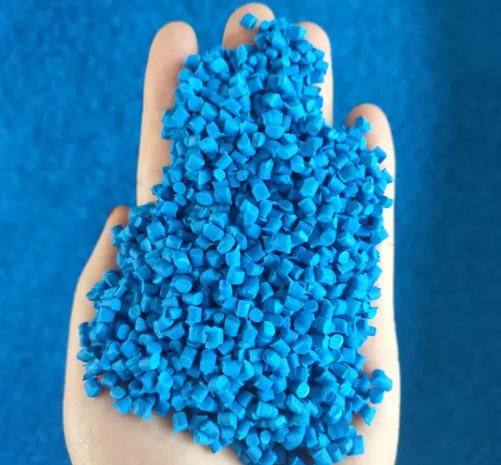
The typical dosage ranges between 1% and 5% depending on color intensity or additive strength. Tests should be conducted to balance cost and performance.
Yes. Many modern masterbatch formulas are compatible with recycled PP, helping producers achieve sustainability goals without sacrificing quality.
It replaces part of expensive virgin resin with low-cost fillers like calcium carbonate, maintaining mechanical properties while cutting expenses.
Additive masterbatch improves product longevity, UV resistance, heat stability, and appearance—leading to fewer rejected batches and lower maintenance costs.
Store in a dry, cool place away from direct sunlight. Proper sealing prevents moisture absorption that could affect melting and dispersion.


