


close
Choose Your Site
Global
Social Media


Views: 222 Author: Rebecca Publish Time: 2026-01-28 Origin: Site


Content Menu
● Understanding PE Masterbatch
>> Main Components of PE Masterbatch
● Why PE Masterbatch Matters in Modern Manufacturing
● Enhancing Material Utilization
>> Uniform Dispersion and Precision Dosing
>> Material Quality and Product Stability
● Boosting Production Efficiency
● Supporting Sustainability Goals
● Versatility Across Industries
● Types of PE Masterbatch For Different Applications
>> 4. Flame-Retardant Masterbatch
>> Cost-Efficiency in Additive Management
● Quality Consistency and Brand Value
● Innovation and Future Trends
>> Green and Compostable Carriers
● FAQ
>> (1) What is the main advantage of using PE Masterbatch?
>> (2) Can PE Masterbatch be used with recycled plastics?
>> (3) How does filler Masterbatch reduce costs?
>> (4) Is PE Masterbatch environmentally friendly?
>> (5) What industries benefit most from PE Masterbatch?
In today's global manufacturing landscape, efficiency and cost-effectiveness are more critical than ever. The need for high-quality, consistent, and scalable plastic products has driven the demand for PE Masterbatch—a specialized additive that transforms the performance and economics of plastic production.
This article explores how PE Masterbatch supports cost-effective manufacturing through enhanced material utilization, improved processing efficiency, and sustainability benefits.
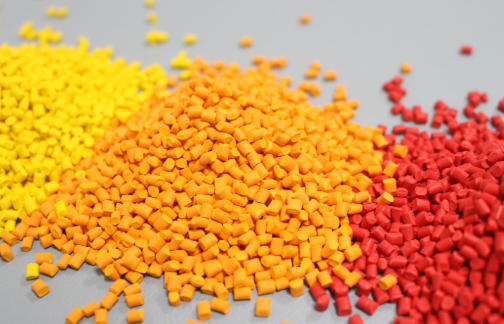
PE Masterbatch, or Polyethylene Masterbatch, is a concentrated mixture of pigments, additives, and carrier resins. It is used to modify or enhance the properties of base polymers such as polyethylene (PE), polypropylene (PP), and other thermoplastics. Instead of adding additives directly to raw resin, manufacturers use masterbatch to ensure accurate dispersion, better color consistency, and more manageable dosing.
- Carrier Resin: Usually polyethylene (LDPE or HDPE), it ensures compatibility with the host polymer.
- Additives: These may include UV stabilizers, antioxidants, slip agents, antistatic agents, flame retardants, and processing aids.
- Pigments or Fillers: Provide color or specific functional characteristics (e.g., opacity, conductivity, or mechanical strength).
By optimizing these components, manufacturers can produce customized PE masterbatches designed for film extrusion, injection molding, blow molding, or cable insulation.
The use of PE Masterbatch transforms how manufacturers achieve product performance while minimizing waste and cost. It ensures consistent quality across batches, simplifies the production process, and supports innovation in material design.
PE Masterbatch allows producers to:
- Tailor material properties (color, opacity, durability).
- Improve production efficiency.
- Reduce the cost of raw materials.
- Enhance sustainability performance through reduced waste and reusability of materials.
Let's see how each aspect contributes to economic efficiency and competitive advantage.
Raw resin materials represent a significant portion of production cost in plastic manufacturing. Masterbatch allows manufacturers to use additives more efficiently and uniformly. Instead of adding large amounts of pigments or chemicals directly, only small percentages of PE Masterbatch are required to achieve targeted effects.
Because each masterbatch pellet contains a fixed concentration of pigment and additive, dosing becomes easier and more consistent. This eliminates the risk of overuse or underuse of expensive additives, directly reducing material waste and improving yield rates.
Consistent dispersion results in homogeneous material structures and stable product properties. For example, using PE Masterbatch prevents streaks, uneven colors, and weak zones in plastic products—significantly reducing defect rates and rework costs.
Time and energy are critical components of manufacturing cost. By incorporating PE Masterbatch, production lines achieve better flow characteristics, faster cycle times, and lower energy consumption.
Masterbatch formulations often include process aids that reduce friction between polymer chains, improving melt flow and minimizing machine wear. This leads to stable extrusion and fewer interruptions during production, ultimately increasing output.
With uniform mixing, the likelihood of pigment buildup or clogging in dies and molds decreases. Manufacturers experience less downtime for equipment cleaning or correction runs, which boosts overall operation efficiency.
Adding additives via PE Masterbatch instead of dry-blending saves significant time in mixing and weighing processes. Additionally, lower operating temperatures are achievable because the dispersion quality enhances process flow, translating into measurable energy savings.
Sustainability has become a vital factor in industrial competitiveness. Using PE Masterbatch not only contributes to cost savings but also aligns with global eco-friendly production goals.
Since PE Masterbatch ensures accurate additive dosing, there is minimal raw material waste. Also, rejected or off-spec products are fewer due to better product uniformity.
PE-based masterbatches are compatible with recycled materials, allowing manufacturers to reuse production scraps without compromising product quality. This creates a circular production system where materials are continually regenerated and reused—reducing carbon footprint and overall production cost.
Modern PE Masterbatch products increasingly use biodegradable additives, non-toxic pigments, and halogen-free flame retardants, helping manufacturers meet strict environmental regulations across markets such as the EU and North America.
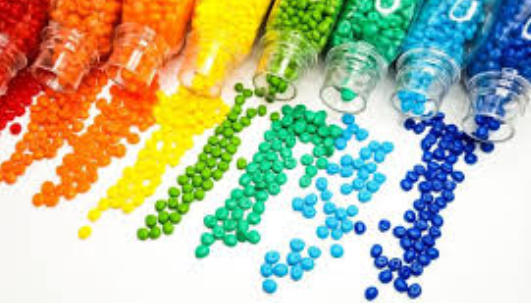
The economic benefits of PE Masterbatch extend across numerous industries:
- Packaging: For films, sheets, and containers requiring color and performance consistency.
- Automotive: Used for interior and exterior components to ensure durability and UV stability.
- Construction: For pipes, cables, and fittings that demand strength, color fastness, and long service life.
- Consumer Goods: In household products, toys, and appliances that require appealing aesthetics and safe additives.
- Agriculture: In greenhouse films or irrigation pipes, where anti-UV and anti-blocking additives increase lifespan and efficiency.
Each sector gains cost advantages from improved production stability, reduced scrap rates, and longer-lasting end products.
Provides uniform color dispersion using organic or inorganic pigments. It eliminates color variability, shortens color-matching efforts, and enhances aesthetic appeal—all while reducing the pigment dosage required.
Includes functional additives like antioxidants, UV stabilizers, antiblock, slip, and anti-static agents that extend product life and improve performance under various environmental conditions.
Typically uses calcium carbonate (CaCO3) or talc as fillers to reduce resin consumption. Filler masterbatch significantly reduces cost per unit while improving rigidity and opacity, making it particularly attractive for film and injection molding applications.
Incorporates flame-retardant additives into PE resins, helping products meet industry safety standards (UL94, RoHS). It ensures compliance without affecting mechanical integrity.
Ideal for outdoor applications where light exposure can degrade plastic materials. UV masterbatch extends product lifespan and maintains color fidelity—saving on maintenance and replacement costs.
Without masterbatch, processing separate pigments and additives increases labor, time, and error rates. The PE masterbatch approach standardizes additive delivery, ensuring that labor cost per unit drops while operational precision rises.
By integrating filler masterbatches, manufacturers can replace part of costly virgin resin with lower-cost mineral fillers without sacrificing quality. In high-volume production environments, this substitution can lead to cost reductions of 10–30%.
Less abrasive and cleaner extrusion improves equipment longevity, reducing maintenance expenditures over time. This further contributes to total cost savings, particularly for high-output producers.
Cost-effectiveness is not merely about reducing expenses—it also involves maintaining consistent quality that strengthens brand reliability. PE Masterbatch enables manufacturers to reproduce identical product batches with precise color and mechanical properties.
This predictability boosts customer satisfaction and enhances market competitiveness. In export-driven industries, achieving repeatable quality under tight tolerances ensures compliance with international standards, protecting the manufacturer's reputation.
The evolution of PE Masterbatch technology is ongoing. Future innovations focus on smart additives, nanocomposite masterbatches, and sustainable carrier resins.
New-generation masterbatches include additives that respond to temperature, humidity, or UV exposure—enabling self-adjusting material performance in smart packaging or industrial components.
Nanoparticle-based masterbatches improve mechanical strength and barrier properties at lower additive concentrations, further optimizing material efficiency and reducing cost per ton.
The shift toward bio-based carrier resins such as PLA or biodegradable PE expands masterbatch applications into sustainable packaging and green manufacturing sectors.
PE Masterbatch stands at the intersection of cost efficiency, technical innovation, and environmental responsibility. It enables producers to optimize resources, maintain consistent quality, lower energy use, and enhance recyclability.
By adopting PE Masterbatch strategically, manufacturers can achieve significant cost savings, elevate product performance, and meet global sustainability objectives—all while maintaining a competitive edge in today's dynamic plastics market.
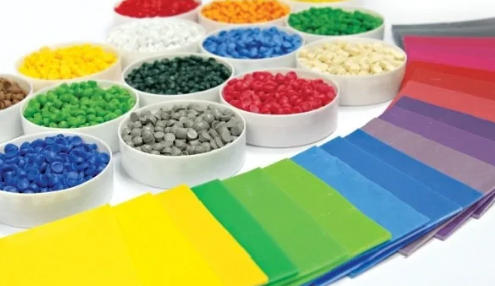
The primary advantage is cost-efficient additive dispersion. It ensures consistent color, mechanical performance, and dosing accuracy—reducing waste and production errors.
Yes. PE Masterbatch is fully compatible with recycled polymers, improving the appearance and quality of recycled materials while minimizing the need for virgin resin.
Filler masterbatch replaces a portion of expensive polymer resin with mineral additives like CaCO3, lowering raw material costs without compromising product integrity.
Modern PE Masterbatch formulations are increasingly eco-friendly, using non-toxic pigments and recyclable or biodegradable carriers to meet international green standards.
Packaging, construction, automotive, agriculture, and consumer goods industries gain the most due to reduced material costs, process efficiency, and enhanced durability.


