


close
Choose Your Site
Global
Social Media


Views: 222 Author: Rebecca Publish Time: 2026-02-13 Origin: Site


Content Menu
>> Common Ingredients in PC Masterbatch
● Why PC Masterbatch Matters in Electronic Applications
>> 1. Thermal and Flame Resistance
>> 2. Enhanced Mechanical Strength
>> 3. UV and Weather Resistance
>> 4. Precise Color Control and Aesthetic Appeal
>> 5. Improved Electrical Insulation
● Key Types of PC Masterbatch Used in Electronics
>> 1. Flame Retardant PC Masterbatch
>> 3. UV Stabilized PC Masterbatch
>> 4. Anti-Static PC Masterbatch
>> 5. Diffusion or Light Control PC Masterbatch
● The Manufacturing Process of PC Masterbatch
● Performance Benefits in Electronics Industry
>> Superior Dimensional Stability
>> Surface Appearance and Gloss
>> Resistance to Environmental Stress
>> Compatibility with Other Polymers
● How PC Masterbatch Supports Sustainable Electronics
● Real-World Applications of PC Masterbatch in Electronics
● Choosing the Right PC Masterbatch Supplier
● FAQ
>> (1) What is the difference between PC Masterbatch and PC Compound?
>> (2) Can PC Masterbatch improve flame retardancy in electronics?
>> (3) Is PC Masterbatch suitable for transparent products?
>> (4) How is PC Masterbatch added during processing?
>> (5) What certifications should a quality PC Masterbatch meet?
The electronics industry demands high-performance materials that can withstand heat, electricity, and mechanical stress while maintaining excellent aesthetics and functional reliability. Among the modern innovations in plastic compounding, PC Masterbatch has emerged as a game-changer material solution for electronic manufacturers worldwide. Designed to enhance both the appearance and performance of polycarbonate (PC) plastics, PC Masterbatch plays a vital role in ensuring stable product quality, improved durability, and superior processability.
This article explores how PC Masterbatch enhances performance in electronics, detailing its formulation, benefits, typical applications, and how it contributes to sustainability and innovation in modern electrical and electronic manufacturing.
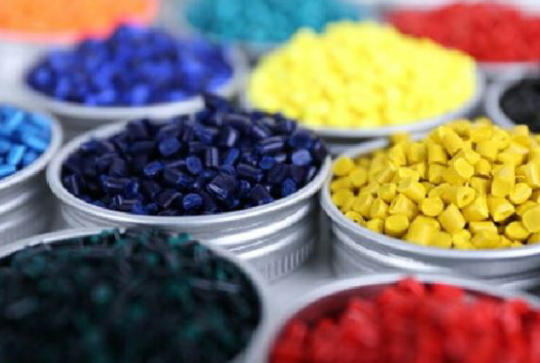
PC Masterbatch, short for *Polycarbonate Masterbatch*, is a concentrated mixture of pigments, additives, or functional agents that is incorporated into polycarbonate-based plastics during processing. It is primarily used to modify or improve specific properties of PC resins — such as color, flame resistance, UV stability, mechanical strength, and thermal endurance.
In simpler terms, PC Masterbatch acts like a “performance booster” for standard PC resins. It ensures that each molded or extruded component achieves consistent color, texture, and mechanical properties across large-scale production.
Typical PC Masterbatches contain several components, including:
- Carrier Resin: Usually PC or a compatible copolymer base to ensure even dispersion.
- Colorants and Pigments: Provide consistent and accurate color matching for electronic product housings, buttons, and panels.
- Functional Additives: Such as flame retardants, antistatic agents, UV absorbers, anti-scratch agents, and processing aids.
- Thermal Stabilizers: Help maintain molecular integrity during high-temperature molding.
Electronic devices—ranging from smartphones and laptops to data centers and industrial automation systems—require materials that balance functionality with safety and aesthetics. PC Masterbatch offers a wide array of benefits that help manufacturers achieve these objectives efficiently.
Polycarbonate is inherently heat-resistant, but when combined with flame retardant Masterbatch, the resulting compound meets strict international flammability standards such as UL94 V-0. In electronics, this property is crucial for protecting devices from overheating, electrical sparks, or short circuits.
For example, the outer casing of a power adapter using PC FR (flame retardant) Masterbatch can resist flashover and maintain dimensional stability even at sustained high temperatures.
With the addition of reinforcing additives, PC Masterbatch can significantly improve tensile and impact strength. This is essential for components like connectors, battery housings, and switch panels that need to endure daily mechanical stress without cracking or deforming.
In particular, reinforced PC Masterbatch formulations using glass fiber or mineral fillers can raise stiffness while retaining excellent transparency or surface finish quality.
Outdoor electronics or devices exposed to direct sunlight rely heavily on UV-stable PC Masterbatch. By integrating UV absorbers and antioxidants, PC Masterbatch protects plastic housings and covers from yellowing, discoloration, and fading over time. This durability is increasingly valued in smart home systems, solar power devices, and automotive electronics.
Consistency in color and gloss is crucial for brand identity and consumer appeal. PC Masterbatch ensures uniform dispersion of pigments, allowing electronic brands to achieve precise color matching and repeatability across large batches.
For instance, smartphone OEMs often specify exact shades of black, silver, or blue that match their brand portfolio globally. By using high-quality color Masterbatch for PC, manufacturers eliminate color drift between production runs, ensuring a perfect finish for every unit.
Electronics require materials with stable dielectric properties. Certain antistatic PC Masterbatches can modify surface resistivity, reducing static buildup and minimizing dust attraction on sensitive components such as displays or circuit housings.
PC Masterbatch comes in multiple formulations tailored for different purposes. Each focuses on enhancing a specific property of the polycarbonate base resin. Below are some key categories used in electronics manufacturing:
Ideal for power components, chargers, and adapters, this type of Masterbatch provides self-extinguishing properties and meets global compliance standards like UL94 V-0 and RoHS.
Custom-designed to achieve personalized colors and finishes (including metallic, pearlescent, or transparent effects) for electronic casings, panels, and buttons.
Prevents degradation and discoloration caused by UV exposure, maintaining appearance and strength over time for outdoor or sunlight-exposed electronics.
Used in electronic packaging and device covers to control electrostatic discharge (ESD), improving component reliability and handling safety.
Enhances light dispersion and optical clarity in LED housings, display screens, and lighting components.

The production of PC Masterbatch requires precision compounding and controlled dispersion techniques to ensure consistent quality. Typical steps include:
1. Ingredient Preparation: The carrier resin, pigments, and additives are accurately weighed and pre-dried to remove moisture.
2. Melt Compounding: Using a twin-screw extruder, the components are melted, mixed, and dispersed uniformly at a controlled temperature profile.
3. Filtration and Pelletizing: The molten mixture passes through filters to remove impurities and is then pelletized into uniform granules.
4. Quality Testing: Finished PC Masterbatch is tested for color consistency, melt flow index, dispersion quality, and thermal stability.
5. Packaging: The pellets are cooled, packaged, and shipped ready for use in injection molding or extrusion applications.
This process ensures every batch of PC Masterbatch offers stable performance under demanding electronic processing conditions.
PC Masterbatch helps maintain tolerance precision during mold cooling and long-term usage. This minimizes part deformation, crucial for electronic modular designs requiring tight assembly fits.
Advanced Masterbatch formulations improve surface smoothness and gloss levels without secondary finishing, reducing manufacturing costs.
By incorporating antioxidants and impact modifiers, PC Masterbatch extends the service life of device components even under temperature fluctuations and humid environments.
In multi-material electronics (for example, PC/ABS blends), specialized PC Masterbatch ensures homogenous compatibility, promoting overall mechanical balance and stability across the composite.
Modern electronics manufacturers are under increasing pressure to reduce their environmental impact without sacrificing quality. PC Masterbatch supports these goals in several ways:
- Lower Material Waste: Masterbatch allows for more precise dosing, ensuring less pigment or additive waste compared to liquid colorants.
- Energy Efficiency in Processing: Optimized Masterbatch formulations reduce molding temperatures and shorten cycle times.
- Recycling Compatibility: Recyclable or biodegradable PC-based Masterbatch compounds help manufacturers repurpose plastic waste for secondary use.
- Eco-Friendly Additives: The latest PC Masterbatches often use non-halogenated flame retardants and heavy metal-free pigments, ensuring environmental compliance across global markets.
PC Masterbatch plays an essential role in components throughout the electronics supply chain. Common applications include:
- Laptop and tablet shells
- Smartphone and wearable device casings
- LED and display housings
- Power adapter shells
- Switch sockets and control panels
- Automotive infotainment systems
- Charging stations and energy storage units
Each of these applications leverages PC Masterbatch for improved appearance, reliability, and compliance with electrical safety standards.
Selecting a reliable Masterbatch manufacturer is critical to achieving consistent quality and cost efficiency. Manufacturers should consider:
- Proven expertise in PC compounding and Masterbatch customization
- In-house color matching and testing laboratories
- Strong R&D capability for custom formulations
- Compliance with global standards (RoHS, REACH, UL94)
- Ability to deliver scalable, repeatable results for large-volume production
As a Chinese innovator in plastic materials, our company combines research, development, and production to deliver tailor-made PC Masterbatch solutions for global electronics customers. From flame-retardant to color-matched and eco-friendly grades, we help clients meet demanding performance and regulatory requirements.
PC Masterbatch has become indispensable in the modern electronics sector — blending functionality, safety, and design innovation. By integrating targeted additives and pigments, manufacturers can dramatically enhance the performance and aesthetics of their polycarbonate products. From better mechanical strength and thermal resistance to precise color control and eco-friendly processing, PC Masterbatch continues to push the boundaries of what is possible in electrical and electronic manufacturing.
As the industry moves toward smarter, lighter, and more sustainable solutions, PC Masterbatch will remain a cornerstone for material innovation—helping engineers and designers create the next generation of advanced electronic devices.
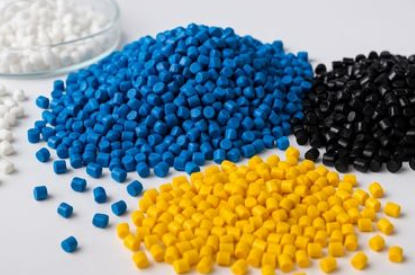
Answer: PC Masterbatch is a concentrated additive blend used to modify base PC resin, while PC Compound is the final material ready for molding. Masterbatch allows flexibility and on-site adjustment; the compound is pre-formulated for direct application.
Answer: Yes. Flame retardant PC Masterbatches contain additives that enable materials to meet UL94 or IEC flammability ratings, making them essential for products such as chargers, sockets, and batteries.
Answer: Absolutely. Transparent or translucent PC Masterbatches use carefully selected pigments and optical enhancers that maintain light transmission while improving UV stability or tint effects.
Answer: Typically, PC Masterbatch is mixed with virgin PC pellets at a specific ratio (e.g., 1–5%) before injection molding or extrusion. This yields uniform coloration and performance enhancement in the final parts.
Answer: Reputable PC Masterbatches comply with RoHS, REACH, UL94, and sometimes ISO9001 quality standards to ensure environmental safety, thermal stability, and mechanical reliability.


