


close
Choose Your Site
Global
Social Media


Views: 222 Author: Rebecca Publish Time: 2026-01-14 Origin: Site


Content Menu
● Understanding PA Masterbatch
>> Why Chemical Resistance Matters
● How PA Masterbatch Improves Chemical Resistance
>> 4. Anti-Oxidative Protection
>> 5. Additive Synergy Effects
● Key Benefits of Using PA Masterbatch for Chemical Resistance
● Industries That Benefit from Chemical-Resistant PA Masterbatch
>> Packaging and Consumer Goods
>> Industrial Machinery and Fibers
● Selecting the Right PA Masterbatch
● Manufacturing Considerations
● Trends in PA Masterbatch Development
● FAQ
>> 1. What is the main function of PA Masterbatch?
>> 2. Can PA Masterbatch be used with recycled nylon?
>> 3. How does PA Masterbatch affect mechanical properties?
>> 4. Is PA Masterbatch suitable for food packaging?
>> 5. What storage conditions are required for PA Masterbatch?
Polyamide (PA) materials, also known as nylon, are widely used in engineering plastics due to their exceptional strength, toughness, and heat resistance. However, when exposed to harsh chemicals, oils, or solvents, their performance can degrade over time. This is where PA Masterbatch plays a transformative role. By modifying the chemical composition of polyamide through custom additives, PA Masterbatch helps enhance chemical resistance, surface stability, and long-term durability of plastic components across various industries.
This article explores how PA Masterbatch functions, its mechanisms of improving chemical resistance, practical industry applications, and selection strategies for manufacturers seeking more robust plastic solutions.

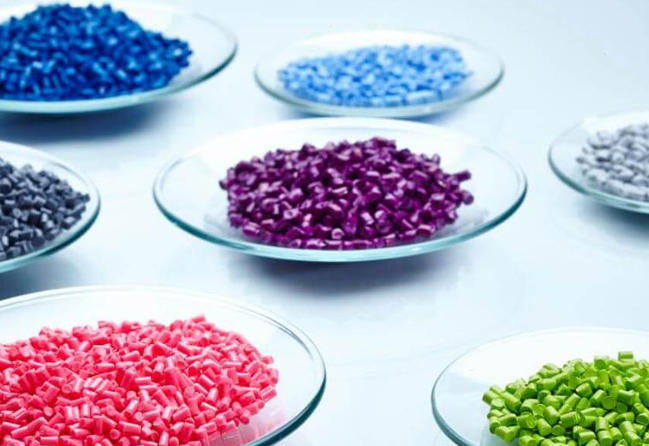
A PA Masterbatch is a concentrated mixture of additives and pigments encapsulated in a carrier resin—typically polyamide (PA6, PA66, or other nylon variants). The purpose of a masterbatch is to disperse performance-enhancing ingredients uniformly throughout the polymer matrix during processing.
Masterbatches are usually used at low dosages (commonly 2–5% by weight) but have a strong impact on the final properties of the product. In the context of chemical resistance, PA Masterbatches may contain antioxidants, stabilizers, anti-hydrolysis agents, or surface protection modifiers.
Chemical resistance is crucial in plastics used for fuel systems, automotive engine parts, oil pipelines, cable sheathing, and packaging. Degradation caused by fuel, lubricants, or cleaning chemicals can lead to cracking, discoloration, or loss of strength. A tailored PA Masterbatch helps counter these effects, extending the lifespan of components exposed to chemically aggressive environments.
Enhancing chemical resistance in nylon-based plastics involves both physical and molecular-level improvements. Below are several mechanisms through which PA Masterbatch achieves superior protection.
Certain additives in a PA Masterbatch react with the polymer chains to minimize degradation caused by acids, bases, or alcohols. For example, anti-hydrolysis stabilizers form protective layers around amino groups in polyamide, preventing them from reacting with moisture or chemicals. This modification increases the molecular weight retention even under corrosive conditions.
Chemical attack often begins at the surface. Some Masterbatch formulations contain surface-active agents that create a protective nano-layer, repelling chemical absorption. This barrier slows diffusion of solvents or oils into the material, maintaining the structural integrity of the product.
PA Masterbatch can influence the crystallization behavior of nylon compounds. Higher crystallinity generally enhances chemical resistance because crystalline zones are less permeable to external agents. Nucleating agents in masterbatches promote uniform and dense crystalline structures, improving both strength and resistance.
Exposure to oxygen and heat accelerates degradation. Antioxidant systems within a PA Masterbatch, such as hindered amine stabilizers, intercept free radicals before they damage polymer chains. This significantly delays oxidation reactions that weaken plastics in chemically active environments.
Modern PA Masterbatches often combine several types of additives—anti-hydrolysis agents, antioxidants, and surface protectants—to achieve synergistic performance. The synergy ensures the plastic retains its mechanical properties even after long-term chemical exposure, providing robust protection for automotive, industrial, and consumer applications.
Integrating a dedicated PA Masterbatch into polymer formulation brings numerous benefits across the product lifecycle:
- Improved durability: Products last longer under contact with oils, fuels, and cleaning agents.
- Consistent performance: Stable material properties reduce production variability and defect rates.
- Cost efficiency: Reduces maintenance, replacement, and recycling costs over time.
- Design flexibility: Enhanced resistance enables lightweight designs without sacrificing mechanical strength.
- Sustainability: Longer product life reduces waste and improves environmental performance in end-use sectors.
PA Masterbatch is commonly used in under-the-hood components such as fuel lines, connectors, and housings. These parts regularly encounter oils, fuels, and engine fluids. The masterbatch minimizes swelling, cracking, and embrittlement, ensuring mechanical reliability and safety compliance.
Wire insulation, connectors, and circuit housings require strong chemical and hydrolysis resistance. PA Masterbatches with flame retardant and stabilizer combinations are ideal for extending product lifespans in harsh industrial or outdoor environments.
Household and industrial packaging materials encounter detergents, disinfectants, and cleaning agents. A PA Masterbatch improves resistance to these substances, helping maintain transparency, gloss, and dimensional stability.
In mechanical components like gears or bearings, exposure to lubricants and coolants can degrade performance. Masterbatches designed for high-load nylon applications protect fibers and molded parts from chemical corrosion and fatigue.
Choosing the correct PA Masterbatch requires understanding both your product's application environment and processing needs. Here are some selection criteria manufacturers should consider:
1. Chemical Environment: Identify the primary type of chemical exposure—organic solvents, acids, oils, or cleaning agents.
2. Processing Temperature: Select masterbatches compatible with your polymer's heat requirements to avoid degradation during extrusion or injection molding.
3. Additive Compatibility: Ensure the additives in the masterbatch will not negatively impact color, transparency, or mechanical properties.
4. Loading Level: Typical concentrations range from 2% to 5% depending on the desired performance and product thickness.
5. Supplier Expertise: Partner with specialized Masterbatch manufacturers who offer testing, customization, and consistent quality assurance.
Uniform dispersion of the PA Masterbatch in the nylon matrix is critical for consistent chemical resistance. Poor mixing can cause uneven protection and localized weaknesses. Twin-screw extruders or well-calibrated compounding lines are often used for optimal blending.
Some additives are sensitive to high shear or temperature. Therefore, processing conditions must be optimized to prevent degradation of stabilizers within the masterbatch. Controlled cooling rates also help maintain the improved crystalline structure for better resistance.
To validate chemical resistance, products should undergo immersion and aging tests using representative chemicals. Metrics such as tensile strength retention, elongation, and color stability are measured before and after exposure. Such tests confirm that the PA Masterbatch formulation meets application demands.
The demand for more sustainable and high-performance materials is driving innovation in PA Masterbatch technologies. Emerging trends include:
- Bio-based additives: Derived from renewable resources to reduce carbon footprint.
- Nanotechnology: Nano-scale fillers enhance barrier performance without compromising processability.
- Recycling compatibility: Formulations that maintain performance even when made from recycled nylon resins.
- Smart additives: Responsive materials that change properties dynamically based on environment (e.g., self-healing or anti-corrosive systems).
These advancements indicate that PA Masterbatch will continue to play a key role in the evolution of high-performance plastic materials.
The incorporation of PA Masterbatch into polymer systems is a proven method for significantly improving the chemical resistance of nylon-based materials. By enhancing molecular stability, creating surface barriers, and optimizing crystallinity, PA Masterbatch solutions enable manufacturers to produce components that withstand aggressive chemical environments while maintaining structural integrity.
As industries continue to demand lighter, stronger, and more durable materials, the significance of advanced masterbatch technology will only grow. Whether in automotive, electronics, or packaging, investing in the right PA Masterbatch formulation ensures longer-lasting, safer, and more reliable products.
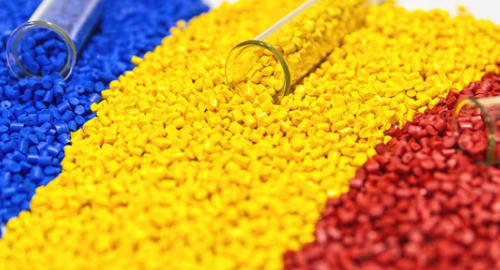
The main function of PA Masterbatch is to enhance or modify the properties of nylon-based plastics, such as chemical resistance, color, and thermal stability, by introducing concentrated additives during processing.
Yes. Many modern formulations are compatible with recycled PA resins. Specialized additives in the masterbatch can restore lost properties and improve overall chemical durability.
Properly formulated masterbatches can actually enhance mechanical performance by improving crystallinity and molecular stability. However, excessive loading may sometimes alter flexibility or toughness.
Food-grade PA Masterbatch variants are available. These are produced under regulated conditions using FDA- or EU-compliant materials to ensure safety for food contact applications.
Masterbatches should be stored in a dry, cool place away from direct sunlight and moisture. Proper sealing extends shelf life and ensures additive stability during future use.


