


close
Choose Your Site
Global
Social Media


Views: 222 Author: Rebecca Publish Time: 2026-01-07 Origin: Site


Content Menu
● Understanding PA as an Engineering Plastic
● Mechanical Performance Enhancement
● Thermal and Flame-Retardant Properties
● Dimensional Stability and Moisture Management
● Surface Quality and Tribological Performance
● Processing Advantages in Injection Molding and Extrusion
● Color Masterbatch for Functional and Aesthetic Design
● Electrical and Electronic Applications
● Lightweighting and Metal Replacement
● Sustainability and Manufacturing Efficiency
● Typical Applications of PA Masterbatch in Engineering Plastics
● Key Advantages of Using PA Masterbatch
● FAQ
>> 1. What is PA Masterbatch in engineering plastics?
>> 2. How does PA Masterbatch improve mechanical strength?
>> 3. Can PA Masterbatch help achieve flame-retardant performance?
>> 4. What processing benefits does PA Masterbatch provide?
>> 5. Is PA Masterbatch suitable for sustainable and recycled PA solutions?
Polyamide (PA), commonly known as nylon, is one of the most important engineering plastics thanks to its high strength, toughness, and heat resistance. When PA is combined with a properly designed Masterbatch, engineers can significantly upgrade performance, processing efficiency, and surface quality in demanding applications from automotive to electronics.[1][2][3][4]

PA engineering plastics such as PA6 and PA66 are known for high tensile strength, impact resistance, and dimensional stability, making them suitable for structural components, gears, and housings. These polyamides also offer good heat resistance, abrasion resistance, and chemical resistance, which is why they are widely used in automotive, electrical, and mechanical engineering applications.[5][6][7][1]
However, unmodified PA has limitations including moisture absorption, potential warpage, and sensitivity to UV or high-temperature environments. Through the use of specialized PA Masterbatch solutions, these weaknesses can be reduced while key performance indicators such as strength, stiffness, flame retardancy, and processability are improved.[2][8][4][1]
Masterbatch is a concentrated mixture of resins, additives, and sometimes pigments, usually supplied as pellets and designed to be let down into a base polymer at a controlled dosage. PA Masterbatch specifically uses polyamide as the carrier, ensuring excellent compatibility and dispersion in PA6, PA66, and other nylon-based engineering plastics.[9][10][11][3]
In a typical PA Masterbatch, the carrier resin (PA) provides compatibility, while additives such as glass fibers, flame retardants, UV stabilizers, lubricants, or colorants are pre-dispersed at high concentration. During processing, manufacturers only need to meter the right level of PA Masterbatch into the base polymer to achieve desired properties with high repeatability.[3][12][9][2]
One of the most important roles of PA Masterbatch in engineering plastics is mechanical reinforcement. By incorporating glass fiber reinforced PA Masterbatch, the final compound can show significantly higher strength, rigidity, and dimensional stability compared with unfilled PA.[8][4][2]
For example, glass fiber or carbon fiber PA Masterbatch allows designers to replace heavier metals in automotive components such as engine covers, brackets, or structural housings, while maintaining sufficient stiffness and impact resistance. This combination of lightweight and high mechanical performance helps reduce vehicle weight, improve fuel efficiency, and meet strict safety standards.[7][13][2]
Engineering plastics are often chosen for their ability to withstand elevated temperatures, and PA is no exception with good heat resistance and high thermal stability. PA Masterbatch can further enhance heat resistance through the use of specific high-temperature stabilizers, synergistic fillers, and, when needed, special polymeric additive systems.[4][14][1][8]
Halogen-free flame-retardant PA Masterbatch, based on systems such as melamine cyanurate (MCA), can help PA6 and PA66 compounds reach UL 94 V-0 fire ratings while keeping mechanical strength and processability at a competitive level. Such flame-retardant PA Masterbatch is widely used in electrical components, connectors, and automotive parts where both heat resistance and fire safety are essential.[10][13][8]
Polyamides tend to absorb moisture from the environment, which can cause dimensional changes and affect mechanical properties over time. Through carefully designed PA Masterbatch systems, formulators can control crystallinity, improve stiffness, and limit warpage, leading to better dimensional stability even under varying humidity conditions.[1][2][8][4]
In addition, PA grades like PA66 have inherently lower moisture absorption and higher modulus than PA6, and when combined with reinforcing PA Masterbatch, they provide an excellent cost/performance ratio in precision parts. This is particularly important in engineering plastic components such as gears, bearings, and functional housings that must maintain tight tolerances and long-term reliability.[11][6][4][7]
In many engineering applications, surface characteristics such as friction, wear resistance, and scratch resistance are critical. Silicone-based PA-compatible Masterbatch can significantly improve surface slip, reduce the coefficient of friction, and enhance abrasion and scratch resistance of PA components.[6][15][2][4]
These special PA Masterbatch solutions are used in glass fiber PA compounds, engineering plastics, and other PA-compatible systems to improve mold release, surface smoothness, and long-term wear performance. As a result, components such as sliding parts, clips, and fasteners show better tribological behavior and lower noise during operation.[15][8][6][4]
Masterbatch is not only about final properties; it also improves processing behavior and productivity in engineering plastics. PA Masterbatch containing lubricants or flow modifiers can reduce melt viscosity, enhance flowability, and improve mold filling during injection molding and extrusion.[12][2][15][3]
By using PA Masterbatch with optimized rheology, manufacturers can decrease extruder torque, reduce die drool, and minimize defects such as short shots, voids, or surface blemishes, especially in complex or thin-walled parts. This leads to faster throughput, more stable processing windows, and lower scrap rates, which are crucial benefits for high-volume engineering plastic production.[2][15][3][12]
Color control is important for branding, safety coding, and visual identification of engineering plastic components. PA color Masterbatch ensures superior dispersion and homogeneity compared with direct pigment addition, providing consistent color, improved surface appearance, and reduced risk of streaks or spots.[16][3][12]
Because the pigments and additives are encapsulated in a compatible PA carrier, color PA Masterbatch is easier and cleaner to handle than powder pigments, reduces dust, and improves workplace safety. Precise dosing with PA Masterbatch allows manufacturers to implement strict quality standards and maintain color consistency across large production batches.[16][3][12]
Engineering plastics such as PA are widely used in electrical and electronic components due to their insulation properties and flame retardancy. By selecting the right PA Masterbatch—combining flame retardant, tracking resistance improvers, and colorants—compounders can tailor polyamide materials for connectors, housings, terminal blocks, and cable management systems.[5][10][8][6]
Some PA Masterbatch formulations are designed to modify surface resistivity or provide anti-static behavior, which helps avoid dust attraction and reduces the risk of electrostatic discharge in sensitive devices. This makes PA Masterbatch a strategic tool for designing engineering plastics that comply with electrical safety norms while still being easy to process.[13][14][15][2]
The push toward lightweight design in automotive and transportation pushes engineers to replace metal with engineering plastics wherever feasible. PA Masterbatch combined with high-performance polyamide grades enables the development of strong, stiff, and heat-resistant parts that weigh far less than traditional metal counterparts.[14][8][7][2]
By carefully balancing glass fiber PA Masterbatch content, flame-retardant PA Masterbatch, and processing aids, designers can create complex, integrated components that offer high structural integrity, good impact resistance, and long-term durability. This trend reduces material costs, improves fuel or energy efficiency, and opens new possibilities in part consolidation and innovative design.[10][7][13][2]
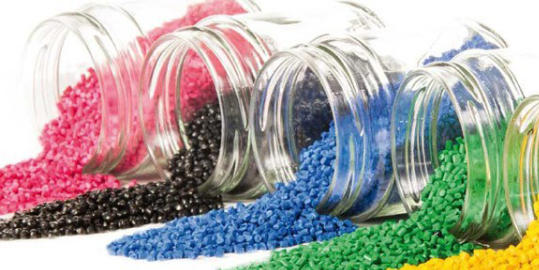
Modern Masterbatch technology also contributes to sustainability in engineering plastics. Because Masterbatch allows precise dosing of pigments and additives, manufacturers can reduce material waste, minimize overuse of expensive additives, and improve resource efficiency in production.[3][14][16]
In addition, PA Masterbatch can support the use of recycled polyamide by compensating for property loss with reinforcing, stabilizing, or impact-modifying packages. This combination of recycled PA with performance-boosting PA Masterbatch helps companies reduce environmental impact while still meeting demanding engineering requirements.[8][14][2][3]
PA Masterbatch-enhanced engineering plastics are widely adopted across several industries. Common application areas include:[6][2]
- Automotive: engine covers, brackets, interior components, clips, cable ties, and under-the-hood parts using glass fiber PA Masterbatch and flame-retardant PA Masterbatch.[7][2]
- Electrical & electronics: connectors, switches, terminal blocks, housings, and cable management products where flame-retardant and insulating PA Masterbatch is essential.[10][6]
- Mechanical engineering: gears, bearings, rollers, and structural parts requiring wear resistance, stiffness, and dimensional stability provided by reinforced PA Masterbatch.[4][6]
- Industrial and consumer goods: handles, tools, fasteners, and functional housings using color and surface-modifying PA Masterbatch for aesthetics and comfort.[2][3]
In fiber and film applications, PA Masterbatch can also improve dyeability, anti-static behavior, and softness of polyamide fibers, resulting in higher-quality textiles and technical fabrics.[17][2]
The role of PA Masterbatch in engineering plastics can be summarized into several core advantages.[12][3]
- Performance enhancement: reinforced PA Masterbatch improves strength, stiffness, wear resistance, and thermal stability.[8][2]
- Functional integration: flame retardant, UV-resistant, anti-static, and processing-aid packages can be combined in a single PA Masterbatch to simplify formulation.[15][10]
- Processing optimization: PA Masterbatch improves flow, reduces torque, enables faster cycle times, and lowers defect rates in injection molding and extrusion.[15][2]
- Quality and consistency: Masterbatch form ensures uniform dispersion of additives, leading to consistent mechanical and visual properties across large volumes.[3][12]
- Cost efficiency and sustainability: precise dosing of PA Masterbatch reduces waste, optimizes additive usage, and enables more effective use of recycled materials.[16][3]
For a manufacturer of innovative plastic materials, developing customized PA Masterbatch solutions means delivering engineering plastics that are tuned to the specific needs of global OEMs and industrial customers.[2][3]
PA Masterbatch plays a pivotal role in upgrading the performance of PA engineering plastics in demanding industrial environments. Through carefully selected carriers, additives, and reinforcement systems, PA Masterbatch enhances mechanical strength, heat resistance, flame retardancy, dimensional stability, and processing behavior, allowing polyamide-based materials to replace metals and satisfy increasingly strict regulations.[10][8][3][2]
By leveraging color, flame-retardant, reinforcing, and processing-aid PA Masterbatch technologies, manufacturers can design tailored engineering plastic solutions for automotive, electrical, mechanical, and consumer applications worldwide. As market expectations for lightweight, durable, and sustainable materials continue to grow, high-performance PA Masterbatch will remain a strategic enabler for innovation in engineering plastics.[14][6][3][2]
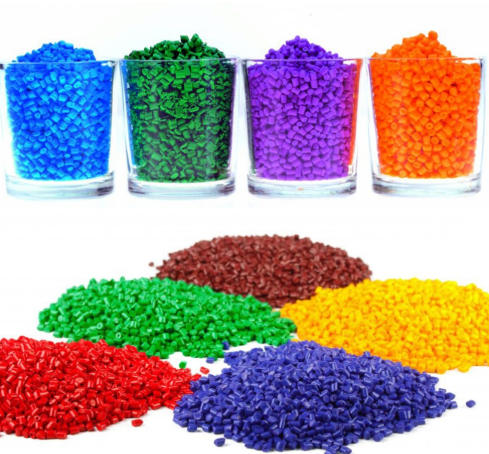
PA Masterbatch is a concentrated formulation where additives, pigments, or reinforcements are pre-dispersed in a polyamide carrier, typically PA6 or PA66. When mixed with base PA resin at a defined dosage, this Masterbatch delivers targeted properties such as strength, flame retardancy, color, or improved processing in engineering plastic applications.[9][3][10][2]
Reinforced PA Masterbatch often contains glass fibers or other fillers, which significantly increase tensile strength, stiffness, and dimensional stability of the final PA compound. This allows engineers to design lighter yet robust components that can replace metal parts in automotive, mechanical, and industrial systems.[7][8][2]
Yes, halogen-free flame-retardant PA Masterbatch using systems like melamine cyanurate can help PA6 and PA66 compounds meet UL 94 V-0 and similar fire safety standards. Such PA Masterbatch is widely used in electrical and electronic components, connectors, and automotive parts where both heat resistance and flame retardancy are required.[13][8][10]
PA Masterbatch that includes lubricants and flow modifiers can decrease melt viscosity, enhance mold filling, reduce extrusion die drool, and lower extruder torque. These effects improve cycle time, productivity, and dimensional stability while reducing scrap and surface defects in injection-molded and extruded PA engineering plastics.[12][15][2]
PA Masterbatch is well suited for use with recycled PA because it can compensate for property losses with reinforcing, stabilizing, or impact-modifying packages. By optimizing formulations with PA Masterbatch, manufacturers can integrate recycled content while still achieving the performance and consistency expected from high-quality engineering plastics.[14][8][3][2]
[1](https://firstmold.com/guides/pa-plastic/)
[2](https://www.kerkeextruder.com/masterbatch-production/pa-masterbatch/)
[3](https://deltatecnic.com/complete-guide-to-masterbatch/)
[4](https://kdfeddersen.com/en/products/polymers/polyamide)
[5](https://partinchem.com/blog/polyamide-engineering-plastic/)
[6](https://enpas-plastics.com/en/products/engineering-plastics/pa/)
[7](https://europlas.com.vn/en-US/blog-1/pa6-vs-pa66-the-differences-between-two-engineering-giants)
[8](https://busscorp.com/en/application/polyamid-compounds/)
[9](https://www.polychemer.com/news/plastic-masterbatch-a-comprehensive-analysis-78924061.html)
[10](https://www.polyrocks.net/pr-pa/4000rmp50-halogen-free-flame-retardant-master-batches.html)
[11](https://www.compounders.co.za/nylon-pa66-masterbatch/)
[12](https://www.jmpolymers.fr/en/the-role-of-masterbatch-in-the-production-of-plastics/)
[13](https://www.asahi-kasei-plastics.com/en/column/05/)
[14](https://www.xometry.com/resources/materials/all-about-engineering-plastics/)
[15](https://www.siliketech.com/silicone-masterbatch-address-nylon-66-pa-granulepolyamide-pa66-release-and-friction-product/)
[16](https://www.mascomglobal.com/understanding-pe-masterbatch-a-comprehensive-guide/)
[17](https://www.americhem.com/materials/nylon/)
[18](https://www.ensingerplastics.com/en-us/thermoplastic-materials/pa-polyamide)
[19](https://alleghenyperformanceplastics.com/materials/engineering-resins/)
[20](https://www.rfkjmasterbatch.com/blog/what-does-ppa-masterbatch-do-in-plastics)


