


close
Choose Your Site
Global
Social Media


Views: 222 Author: Rebecca Publish Time: 2026-01-19 Origin: Site


Content Menu
● Understanding PA Masterbatch
>> Common Applications of PA Masterbatch
● The Role of PA Masterbatch in Sustainable Manufacturing
>> 1. Resource Optimization and Material Efficiency
>> 2. Lower Energy Consumption During Production
>> 3. Enhanced Recyclability and Reusability
>> 4. Reduced Emission of Carbon and VOCs
>> 5. Eco-Friendly Product Lifecycle Extension
>> 6. Supporting Lightweighting Strategies
● Green Innovation Through Additive Engineering
>> Smart Additives and Bio-Based Masterbatch
>> Closed-Loop and Waste-Reduction Manufacturing
● Industrial Impact Across Sectors
>> Electronics and Electrical Components
>> Textile and Fiber Applications
● Challenges and Future Development
● FAQ
>> 1. What makes PA Masterbatch eco-friendly?
>> 2. How does PA Masterbatch improve recyclability?
>> 3. Can PA Masterbatch be used with bio-based polymers?
>> 4. What are the key environmental benefits for factories using Masterbatch?
>> 5. What future trends will influence PA Masterbatch development?
In an era of global sustainability, the manufacturing industry is undergoing a fundamental transformation. Companies are now expected not only to deliver product quality and performance but also to minimize environmental impact. Among the many materials and technologies driving this transformation, PA Masterbatch stands out as a critical innovation that aligns performance enhancement with eco-friendly objectives.
This article explores how PA Masterbatch contributes to green manufacturing by improving material efficiency, enabling recyclability, reducing energy use, and promoting sustainable resource utilization.
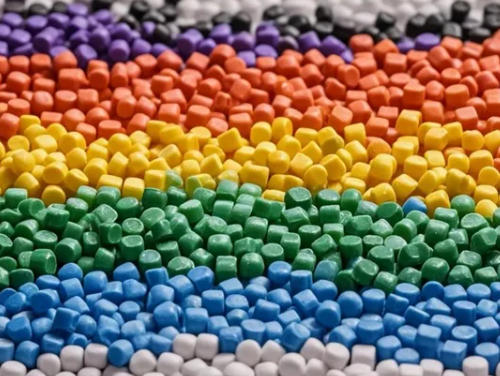
PA Masterbatch refers to a concentrated mixture of additives, pigments, or functional agents encapsulated within a polyamide (PA, or nylon) carrier resin. It is widely used to modify or enhance the properties of PA-based plastics in various applications—ranging from automotive components and electrical equipment to packaging and consumer goods.
This formulation allows precise dispersion of active ingredients, improving material consistency and performance while reducing raw additive consumption during production.
PA Masterbatch is versatile and plays a critical role in multiple industrial sectors:
- Automotive: Enhances UV stability, color consistency, and wear resistance of nylon parts.
- Electrical and Electronics: Improves insulation, flame retardancy, and color uniformity.
- Packaging: Adds antistatic, antifog, and oxygen barrier properties.
- Textiles: Provides strength, dyeability, and aesthetic enhancements to nylon fibers.
In each of these uses, PA Masterbatch replaces or reduces the need for direct additive compounding, streamlining production while lowering waste and energy consumption.
Traditional plastic manufacturing often involves direct mixing of additives and pigments into polymer resins, which can lead to uneven dispersion, product inconsistency, and excessive waste. In contrast, PA Masterbatch allows uniform additive distribution with minimal dosage—significantly reducing the volume of raw materials required.
By using Masterbatch technology, manufacturers benefit from:
- Better control of additive concentration.
- Reduced rejection rates from uneven coloring or poor blending.
- Enhanced product performance with optimized formulations.
- Extended equipment lifespan due to improved processing stability.
Optimized resource utilization not only reduces cost but also lessens the environmental burden of extraction and production processes.
The production of plastic components often consumes high levels of energy due to extended heating and cooling cycles. PA Masterbatch formulations are engineered for better thermal stability and processing efficiency, allowing lower processing temperatures and shorter cycle times.
This energy-saving effect arises from:
- Improved polymer flow characteristics during molding or extrusion.
- Faster coloring and functionalization in a single step.
- Reduced power and cooling requirements.
Over time, these energy-saving benefits multiply across high-volume manufacturing operations, directly reducing carbon footprints.
In sustainable manufacturing, recyclability is a top priority. PA Masterbatch plays a vital role in maintaining or improving the quality of recycled materials without compromising aesthetics or physical properties.
Recycled polyamide resins often lose mechanical strength or color vibrancy after multiple processing cycles. Incorporating a well-formulated PA Masterbatch can restore or even enhance those lost attributes. For instance:
- Color masterbatches maintain consistent shade despite using recycled substrates.
- Additive masterbatches improve melt flow and tensile properties of recycled nylon.
- UV stabilizer masterbatches protect recycled products from outdoor degradation.
This ability to “close the loop” supports circular economy principles and aligns with global environmental policies focused on reducing plastic waste.
Many traditional pigment and additive processes release volatile organic compounds (VOCs) and CO₂ during mixing and processing. However, PA Masterbatch technology encapsulates these agents in carrier resins, preventing direct exposure to heat and air until they are dispersed under controlled conditions during molding or extrusion.
This encapsulation results in:
- Lower VOC release into the atmosphere.
- Cleaner, safer workplace environments.
- Reduced post-processing emissions.
In factories seeking ISO 14001 environmental certification, using PA Masterbatch instead of raw additives contributes to achieving compliance and sustainability targets.
A key sustainability principle is product longevity. By enhancing performance attributes such as UV resistance, chemical durability, and mechanical strength, PA Masterbatch extends product life cycles.
For example, nylon automotive parts treated with stabilizing masterbatches maintain color fastness and structural integrity even after years of exposure to sun and temperature fluctuations. Longer-lasting products mean fewer replacements, less waste, and reduced resource depletion.
Lightweighting—reducing the mass of components while maintaining strength—is another strong sustainability driver. PA Masterbatch formulations allow nylon compounds to achieve higher specific strength, enabling metal replacement in automotive and electronic applications.
Replacing metal with reinforced PA plastics contributes to fuel-efficient transportation and lower logistics costs, both of which are sustainability gains amplified across production ecosystems.
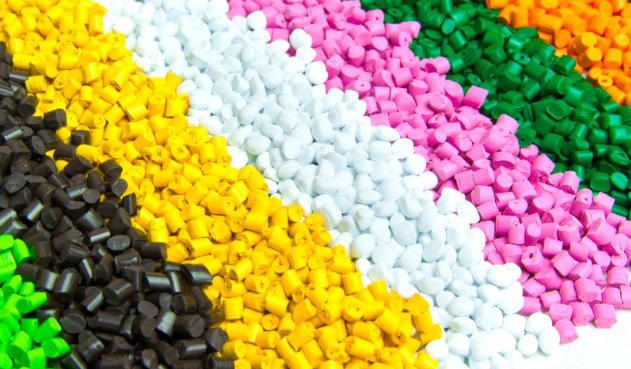
The innovation frontier is expanding toward bio-based PA Masterbatch, derived from renewable feedstocks. These new types reduce dependence on fossil-based polymers while maintaining the same processing versatility.
Common sustainable additives include:
- Biodegradable reinforcements such as natural fibers.
- Non-toxic colorants derived from minerals or plant extracts.
- Halogen-free flame retardants for environmentally conscious applications.
Such engineering directly aligns with the European Union's and global ESG frameworks that are reshaping material selection criteria across industries.
Modern manufacturing plants increasingly integrate Masterbatch dosing systems that automate the mixing process. These systems minimize human error, eliminate spillage, and enhance precision—further reducing waste.
Recycling facilities can reprocess production scrap by simply reintroducing PA Masterbatch-compounded materials back into extrusion lines without compromising performance. This closed-loop capability strengthens operational sustainability from raw material to end-of-life.
PA Masterbatch enabled nylons improve mechanical performance at reduced weight, making them ideal for engine covers, connectors, and under-the-hood components. The use of high-temperature stabilizer masterbatches also allows sustainable substitution for heavier materials like aluminum.
Flame-retardant PA Masterbatch ensures safety compliance without halogen toxicity, aligning product design with eco-regulations such as RoHS and REACH. This supports both environmental protection and workplace health.
Antimicrobial and oxygen-scavenging masterbatches keep food packaging safer and fresher with less material. Recyclable nylon films enhanced by sustainable color masterbatches also facilitate green branding for consumer packaging.
In synthetic filament production, PA Masterbatch ensures consistent colorfastness and improved durability while maintaining tunable moisture absorption. This simplifies dyeing steps and saves water—an additional ecological advantage.
While the benefits are substantial, PA Masterbatch also faces challenges:
- Cost barrier: Sustainable or bio-based additives are often more expensive initially.
- Technical compatibility: Ensuring proper dispersion in recycled or bio-polymers can be complex.
- Standardization: Global guidelines for defining “eco-friendly Masterbatch” remain under development.
However, ongoing R&D continues to reduce costs and enhance formulation compatibility. With emerging nano-additives and digitalized quality control, the next generation of PA Masterbatch is set to further revolutionize sustainable production methods.
PA Masterbatch is more than an additive—it is an enabler of sustainable transformation in modern manufacturing. By optimizing resource efficiency, reducing emissions, supporting recyclability, and extending product life, it bridges the gap between performance and environmental responsibility.
As industries transition toward greener production models, the adoption of innovative PA Masterbatch formulations will continue to define how materials science contributes to a low-carbon, sustainable future. Integrated into a global push for circular economy principles, the PA Masterbatch not only enhances polymer performance but also helps companies achieve long-term ecological and economic sustainability.
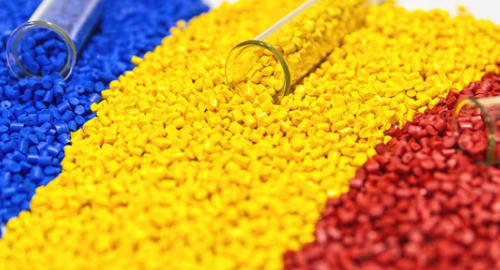
PA Masterbatch reduces resource use, energy consumption, and emissions by providing efficient additive dispersion. It enhances recyclability and promotes reuse of materials, contributing to circular manufacturing systems.
It restores mechanical and color properties in recycled nylon materials, making them suitable for high-value reuse instead of downcycling or disposal.
Yes. New formulations are compatible with bio-based and biodegradable nylons, offering sustainable performance without sacrificing processability or durability.
Factories experience lower VOC emissions, less waste from spillage or overdosing, improved workplace air quality, and reduced carbon footprints due to optimized processing conditions.
Emerging trends include bio-derived carriers, nanotechnology-enabled dispersion, and AI-assisted compounding analysis—all aimed at achieving greater environmental efficiency and traceability.


