


close
Choose Your Site
Global
Social Media


Views: 222 Author: Rebecca Publish Time: 2026-01-01 Origin: Site


Content Menu
● Understanding Plastic Material Pricing
● The Role of Masterbatch in Plastic Production
>> Why Masterbatch Influences Cost
● Factors Affecting Plastic Material Costs
>> 5. Geographical and Supply Conditions
● Cost Breakdown: Resin + Masterbatch = Final Plastic Price
● Masterbatch as a Cost Optimization Tool
>> Strategies for Cost Optimization with Masterbatch
● Global Market Trends Impacting Plastic Material Costs
● Average Plastic Material Cost by Application
● Sustainable and Recycled Masterbatch Solutions
● FAQ
>> 1. What is Masterbatch used for?
>> 2. How much Masterbatch should be added to resin?
>> 3. Does Masterbatch increase or reduce plastic cost?
>> 4. Is recycled Masterbatch suitable for all plastics?
>> 5. Where to find reliable Masterbatch suppliers?
The global plastic manufacturing industry is evolving at an unprecedented pace, driven by innovations in material science, sustainable solutions, and advanced compounding technologies. One key component at the heart of this transformation is Masterbatch, a concentrated mixture of pigments, additives, and polymers that defines the final performance, color, and cost-efficiency of plastic products.
Understanding how much plastic material costs today requires more than just checking market prices. It involves analyzing the types of plastic resins, the role of masterbatch in manufacturing, regional price trends, and the global demand for customized plastic solutions.
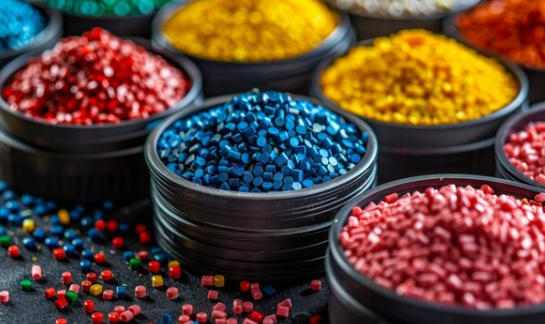
The cost of plastic materials varies greatly depending on factors such as resin type, masterbatch composition, processing technology, and global supply chain conditions.
Typically, raw plastic resins are priced per kilogram and can range from USD 0.80 for basic polyethylene (PE) to USD 3.00 or more for engineering plastics such as polycarbonate (PC) or polyamide (PA). However, the inclusion of Masterbatch—whether for color, UV resistance, flame retardancy, or other performance enhancements—can alter the cost dynamics.
Manufacturers must evaluate both base resin costs and additive masterbatch requirements to establish a realistic production budget and performance outcome.
Masterbatch is a concentrated mixture of pigments and additives encapsulated in a carrier resin, which is then used to color or modify plastics. It ensures uniform dispersion and easy processing while maintaining the integrity of the base polymer.
Masterbatches are generally classified into:
- Color Masterbatch – provides consistent coloration.
- Additive Masterbatch – enhances UV resistance, anti-static, flame retardant, or antimicrobial properties.
- White and Black Masterbatch – widely used for opacity, contrast, and surface aesthetics.
- Filler Masterbatch – used to reduce raw material costs by substituting polymer content with calcium carbonate or talc fillers.
The type and concentration of masterbatch used can significantly influence the final cost of plastic production:
- High-performance additive masterbatches cost more but enhance product durability.
- Filler masterbatch reduces polymer usage, achieving cost savings without compromising performance.
- Custom color masterbatches require specific pigments or metallic effects, leading to bespoke pricing.
Thus, understanding how and when to use Masterbatch effectively determines the economic efficiency of plastic manufacturing.
Different polymers have varying base prices due to their physical and chemical properties. For instance:
- Polyethylene (PE): USD 0.80–1.20/kg
- Polypropylene (PP): USD 1.00–1.40/kg
- Polyvinyl Chloride (PVC): USD 1.20–1.60/kg
- Polycarbonate (PC): USD 2.50–3.50/kg
The ratio of masterbatch added (typically 1–5% by weight) affects cost-per-kilogram. A specialized Additive Masterbatch could range from USD 2.00–8.00/kg, depending on the functional loadings and resin carrier.
Custom colors or metallic shades require unique pigment blends, sometimes imported. The design complexity can increase both lead time and cost.
Larger production runs reduce per-unit cost through economies of scale. For resin suppliers and masterbatch producers alike, bulk orders mean optimized logistics and better raw material pricing.
Plastic resin and masterbatch prices fluctuate by region due to raw material availability, import tariffs, logistics, and oil prices. Asian manufacturers, especially in China, benefit from integrated production lines that reduce overhead costs significantly.

To calculate the actual cost of a finished plastic product, consider both components:
| Component | Cost (USD/kg) | Ratio (%) | Contribution to Final Cost (USD/kg) |
|---|---|---|---|
| Base Resin | 1.20 | 95 | 1.14 |
| Color Masterbatch | 3.00 | 5 | 0.15 |
| Final Material Cost | - | 100 | 1.29/kg |
This simplified model illustrates how a small percentage of Masterbatch influences overall pricing—not just through material expense but also through improved aesthetics, durability, and long-term performance.
Rather than viewing masterbatch as an additional expense, forward-looking manufacturers treat it as a value multiplier.
1. Use Filler Masterbatch to lower resin consumption.
2. Adopt Multipurpose Additive Masterbatch, combining UV protection and anti-static properties in one formulation.
3. Standardize Masterbatch Colors across product lines to lower customization costs.
4. Source from Local Masterbatch Producers to reduce logistics and import expenses.
5. Regularly Audit Formulations to avoid additive overuse.
Each of these strategies contributes to sustainable and economically optimized plastic manufacturing.
The cost of plastic materials and masterbatch is linked closely to global trends:
- Oil Price Volatility: Since most resins originate from petroleum, crude price fluctuations directly affect production costs.
- Environmental Regulations: Demand for biodegradable masterbatches and recycled resins is growing, often at premium rates.
- Supply Chain Disruptions: Logistic delays can increase freight costs, pushing unit prices higher.
- Technological Advancements: AI-driven color-matching systems and automated dosing in masterbatch blending improve efficiency, reducing waste and production costs.
As manufacturers adopt green production and circular economy models, Masterbatch plays a pivotal role—especially when designed for recycling efficiency and low-emission processing.
Packaging films and containers often use PE and PP resins with color or filler masterbatch, averaging USD 1.00–1.40/kg.
High-performance plastics such as ABS or PC are compounded with UV-stable and flame-retardant masterbatches, priced between USD 2.00–4.00/kg.
Pipes and fittings use PVC or PE resins with black masterbatch for UV resistance, generally costing USD 1.30–2.00/kg.
Custom-colored plastic parts require tailored Color Masterbatch, placing costs around USD 1.50–2.50/kg depending on pigment complexity.
Today's manufacturing landscape emphasizes sustainability and circularity. Recycled resins and bio-based masterbatches help reduce carbon footprints without compromising performance.
- Recycled Masterbatch: Enhances reprocessed resin coloration consistency.
- Biodegradable Masterbatch: Compatible with PLA or PHA materials for eco-friendly applications.
- Carbon-reducing Masterbatch: Optimizes energy efficiency in extrusion and molding.
Although these green solutions may have slightly higher upfront costs, they yield long-term savings by aligning with global regulatory and consumer demands.
Plastic material cost analysis reveals that Masterbatch is not just an additive but a strategic element shaping the economic and functional outcome of every plastic product. Its ability to balance aesthetics, durability, and processing efficiency directly determines manufacturing competitiveness.
For suppliers and manufacturers seeking optimization, integrating custom-developed Masterbatch solutions represents one of the most effective ways to achieve both cost control and product innovation in the evolving plastics market.
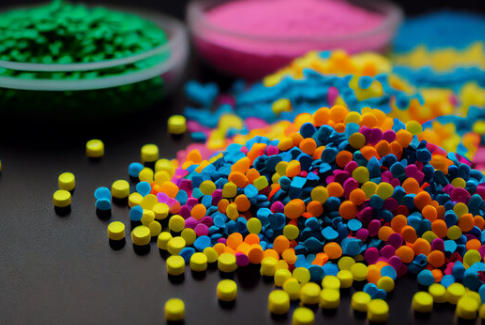
Masterbatch is used to color or modify plastic resins with additives that enhance performance properties such as UV resistance, strength, flame retardancy, or conductivity.
Typically, 1–5% by weight of masterbatch is added, depending on the desired color depth or additive strength.
It can do both. High-performance masterbatches add cost but improve durability, while filler masterbatch reduces resin use and overall material expense.
Recycled masterbatch works well with common polymers like PE, PP, and PET, though compatibility tests are recommended for engineering resins.
China, India, and Southeast Asia host several integrated masterbatch producers offering competitive pricing and customized formulations for global buyers.


