


close
Choose Your Site
Global
Social Media


Views: 222 Author: Rebecca Publish Time: 2026-01-01 Origin: Site


Content Menu
● The Nature of Plastic and Its Durability
● How Masterbatch Enhances Plastic Longevity
>> Functions of Masterbatch in Plastic Stability
>> Long-Term Impact of Masterbatch Use
● Environmental Factors Influencing Plastic Degradation
● The Lifespan of Plastic Products in Different Applications
>> 2. Construction and Building
>> 3. Automotive and Transportation
>> 4. Agricultural Applications
● Recycling, Reuse, and Masterbatch's Role in Circular Economy
● Estimating How Many Years Plastic Material Will Last
● Sustainable Innovation Through Advanced Masterbatch Design
● FAQ
>> 1. How does masterbatch extend plastic lifespan?
>> 2. Can recycled plastic use masterbatch?
>> 3. What is the shelf life of masterbatch itself?
>> 4. Does using too much masterbatch affect plastic quality?
>> 5. Are biodegradable plastics compatible with masterbatch?
Plastic materials have played a vital role in modern manufacturing, from household goods to automotive components. However, the question remains — how long do plastics actually last? This topic is particularly relevant for industries relying on masterbatch, a key additive that enhances durability, color stability, and performance across various plastic applications. Understanding the lifespan of plastic materials helps manufacturers, designers, and consumers make sustainable decisions that balance performance with environmental responsibility.
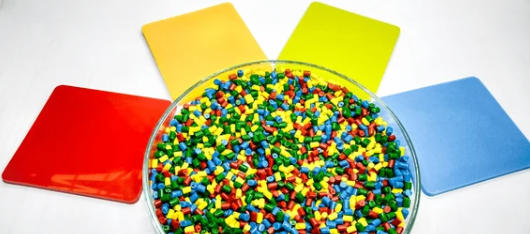
Plastics are synthetic polymers composed of long molecular chains, giving them their flexibility, strength, and resistance to degradation. The lifespan of plastic depends heavily on polymer type, manufacturing process, and environmental conditions.
For instance:
- Polyethylene (PE) and Polypropylene (PP) are used in packaging and have an average service life of 10–20 years.
- Polyvinyl Chloride (PVC) used in pipes and window frames can last 40–100 years.
- Polyethylene Terephthalate (PET), commonly seen in bottles, may start degrading after 10–15 years if exposed to UV radiation or heat.
- Engineering plastics like Polycarbonate (PC) or Acrylonitrile Butadiene Styrene (ABS) can last decades under stable indoor conditions.
In most cases, plastic doesn't “disappear” but slowly breaks down, fragmenting into smaller pieces — often referred to as microplastics — while retaining its polymer structure for centuries.
Masterbatch is a solid additive mixture used in plastic manufacturing to modify color, enhance properties, or extend performance life. It is composed of pigments or additives encapsulated in a carrier resin that matches the base polymer.
When it comes to determining how many years plastic materials will last, masterbatch plays a decisive role. Different masterbatch formulations designed for UV resistance, thermal stability, and anti-oxidation can significantly increase a product's lifetime.
Here are some examples of common types of masterbatch and their functions:
- UV Masterbatch: Contains stabilizers that absorb or screen harmful ultraviolet rays, preventing polymer chain breaking and yellowing.
- Antioxidant Masterbatch: Prevents material degradation due to exposure to heat during processing or during long-term usage.
- Color Masterbatch: Adds vibrant, consistent color without compromising material stability.
- Flame Retardant Masterbatch: Reduces flammability and slows combustion in high-temperature conditions.
- Antistatic Masterbatch: Reduces static charge build-up on the surface of plastic products.
Industries use masterbatch not only for appearance but as a performance enhancer. For example, plastic film manufacturers often add UV masterbatch to outdoor packaging films, extending their usable life from a few months to 2–5 years. Construction plastic materials with specialized heat-stabilizing masterbatch can maintain structural integrity for more than 50 years.
Even with high-quality masterbatch, environmental factors still influence how long plastic materials last. The major influencers include:
- UV Radiation: Sunlight speeds up oxidation and molecular chain scission.
- Temperature Fluctuations: Repeated heating and cooling cycles accelerate brittleness.
- Humidity and Moisture: Promotes hydrolysis for certain polymers, reducing strength.
- Mechanical Stress: Continuous bending or load can cause micro-cracking.
- Chemical Exposure: Contact with acids, alkalis, or solvents affects dimensional stability.
By combining proper polymer selection and customized masterbatch solutions, manufacturers can mitigate these effects dramatically.
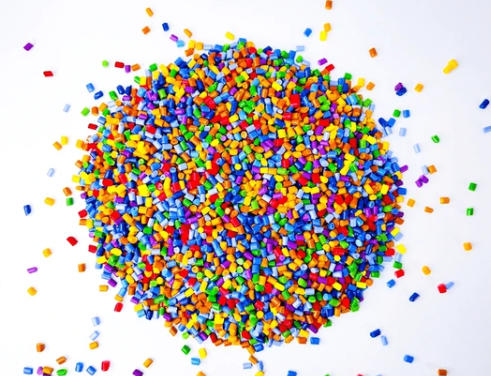
Most packaging, such as film, bottles, and containers, is designed for short-term use — typically 6 months to 5 years. Use of UV and antioxidant masterbatch enhances storage stability, keeps the packaging color intact, and reduces material brittleness during transit or shelf life.
Plastics in construction — pipes, roofing sheets, window profiles — are expected to last 50 to 100 years. The inclusion of stabilizing masterbatch ensures long-term color retention, resistance to heat distortion, and chemical corrosion.
Plastics in vehicles are exposed to intense heat and pressure. UV, heat, and flame-retardant masterbatch helps extend the life of components such as dashboards, bumpers, and trims to 15–25 years, matching a vehicle's average service life.
Agricultural films and irrigation systems must endure outdoor exposure. Plastics stabilized with UV masterbatch can retain their mechanical properties for 3–8 years, far longer than unstabilized counterparts that fail after one harvest season.
Electronic casings and insulation materials are designed for thermal stability and fire resistance. With antioxidant and flame-retardant masterbatch, these plastics can last 20–30 years without noticeable degradation.
Modern sustainability practices strive to extend plastic life not just through durability, but also through recycling. Masterbatch technology plays a significant role in this field:
- Reprocessing tolerance: Advanced masterbatch formulations enable recycled polymers to maintain color integrity and mechanical strength.
- Color correction: Recoloring recycled resins using masterbatch makes second-generation plastic as aesthetically consistent as virgin material.
- Property restoration: Additive masterbatch can reintroduce lost stabilizers during melt processing, improving the lifespan of recycled products.
Through masterbatch-enhanced recycling, industries can reduce virgin plastic consumption, lowering their carbon footprint while maintaining product quality.
While the exact time varies, general estimates can be made based on polymer type, usage environment, and masterbatch inclusion:
| Plastic Type | Common Application | Estimated Lifespan | Masterbatch Effect |
|---|---|---|---|
| Polyethylene (PE) | Films, pipes, containers | 10–20 years | UV and antioxidant masterbatch can extend up to 30 years |
| Polypropylene (PP) | Auto parts, packaging | 15–25 years | Heat stabilizers improve longevity in high-temperature climates |
| Polyvinyl Chloride (PVC) | Pipes, roofs, profiles | 50–100 years | Color and UV masterbatch keep material stable outdoors |
| PET | Bottles, fibers | 10–15 years | Antioxidant masterbatch improves recyclability and aging resistance |
| ABS / PC | Electronics, automotive | 20–40 years | Flame-retardant and UV masterbatch extend indoor performance |
A combination of correct resin formulation and high-quality masterbatch can significantly improve durability, especially for applications requiring long service life under harsh conditions.
Modern polymer research in China and globally has shifted toward eco-friendly masterbatch solutions, such as:
- Biodegradable masterbatch, made from natural resins like PLA or starch, enhancing decomposition in industrial composting settings.
- Recycled-content masterbatch, allowing compatibility between virgin and recycled polymers.
- Non-heavy metal color masterbatch, improving safety for food-contact and medical applications.
Innovation in these materials ensures plastics are not only durable but also sustainable, supporting circular production systems.
Plastic materials can last anywhere from a few years to over a century, depending on their formulation, environment, and stabilization methods. The masterbatch plays a central role in determining this lifespan — safeguarding polymers against UV rays, heat, and oxidation, and even enabling multiple life cycles through recycling.
As industries strive toward environmental responsibility, leveraging advanced masterbatch technologies developed by innovative Chinese manufacturers ensures plastics remain efficient, durable, and sustainable throughout their life cycles.
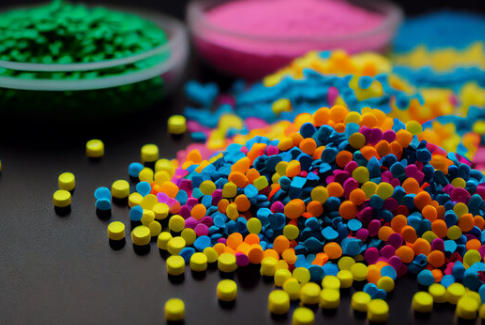
Masterbatch contains stabilizers, UV absorbers, and antioxidants that protect plastic against aging factors like sunlight, heat, and oxidation, thereby extending its usable life.
Yes. Masterbatch can restore and enhance properties lost during recycling, improving the color, strength, and thermal stability of recycled plastics.
Typically, masterbatch can be stored for 12–24 months if kept in a cool, dry environment away from sunlight. Proper storage ensures additive stability and performance.
Excessive masterbatch may cause defects such as streaking, brittleness, or poor dispersion. Manufacturers recommend using the ratio prescribed for each resin type.
Yes. Specialized biodegradable masterbatch is formulated for bioplastics like PLA or PBAT to maintain mechanical strength without preventing controlled decomposition.


