


close
Choose Your Site
Global
Social Media


Views: 222 Author: Rebecca Publish Time: 2026-01-01 Origin: Site


Content Menu
● Understanding Plastic Materials
● Main Types of Plastic Materials
>> 3. Polyvinyl Chloride (PVC)
>> 5. Polyethylene Terephthalate (PET)
>> 6. Acrylonitrile Butadiene Styrene (ABS)
>> 7. Polytetrafluoroethylene (PTFE)
● The Role of Masterbatch in Plastic Manufacturing
>> Key Benefits of Using Masterbatch
● Classification of Plastics by Application
● Sustainable Plastic Materials and Modern Innovations
● The Future of Plastic Material Development
● FAQ (Frequently Asked Questions)
>> 1. What is Masterbatch used for?
>> 2. How many types of Masterbatch exist?
>> 3. Can Masterbatch be used in recycled plastics?
>> 4. What factors affect plastic Masterbatch performance?
>> 5. Is Masterbatch environmentally friendly?
Understanding how many types of plastic materials exist is not just about numbers; it's about grasping how versatile and innovative the modern plastics industry has become. From packaging and consumer goods to construction and automotive components, plastics are the backbone of countless products we use every day. One of the most advanced developments in this field is Masterbatch — a key additive technology that modifies plastic properties to enhance color, strength, and performance.
In this article, we'll explore the main types of plastic materials, classify them by structure and application, discuss how Masterbatch plays a role in their production, and analyze the future of the plastic materials industry.

Plastics are synthetic materials made mainly from polymers. These polymers consist of long molecular chains that determine the physical and chemical properties of the plastic. By manipulating the structure of these chains or by combining different additives such as colorant Masterbatch or functional Masterbatch, manufacturers can produce plastics with almost any desired characteristic — flexibility, transparency, heat resistance, or electrical conductivity.
Broadly, plastics are divided into two primary categories:
- Thermoplastics – These can be melted and reshaped repeatedly, allowing easy recycling and processing.
- Thermosetting plastics – Once cured or hardened through heat or chemical action, these cannot be melted again.
Polyethylene is one of the most commonly used thermoplastics. It's known for its toughness, flexibility, and resistance to moisture. PE is mainly divided into:
- Low-Density Polyethylene (LDPE) – Used in plastic bags, films, and flexible containers.
- High-Density Polyethylene (HDPE) – Used in rigid bottles, containers, and industrial pipes.
By utilizing Masterbatch, PE can be customized for UV resistance, color enhancement, and improved mechanical performance to meet specific industry requirements.
Polypropylene is lightweight, chemical-resistant, and widely used in packaging, textiles, automobile parts, and household goods. With the addition of color Masterbatch, PP products can maintain high brightness and color uniformity. For automotive parts, functional Masterbatch is often added to improve heat stability and impact strength.
PVC is a durable plastic used in pipes, cables, flooring, and building materials. There are two main types:
- Rigid PVC (uPVC) – For pipes and window profiles.
- Flexible PVC – For cables, synthetic leather, and films.
Masterbatch additives enhance flame retardancy, weather resistance, and longevity of PVC-based materials, which is especially critical in infrastructure and construction industries.
Polystyrene is known for its clarity and rigidity. It's commonly found in disposable cups, trays, packaging foams, and insulation materials. Using color Masterbatch and antistatic Masterbatch, producers can create vibrant, durable products while maintaining safety and efficiency during manufacturing.
PET is popular for bottles, fibers, and films due to its excellent strength, transparency, and recyclability. Color and UV-stabilizing Masterbatch are frequently added to PET to improve its resistance to sunlight and maintain long-term quality for beverages and packaging materials.
ABS offers toughness, impact resistance, and high gloss. It's widely used in electronics housings, toys, and automotive interiors. Masterbatch additives for ABS can provide flame retardancy, matte finishes, or antimicrobial effects depending on the application.
Commonly known as Teflon, PTFE provides excellent non-stick and heat-resistant properties. Although it's less used for colorful applications, tailored functional Masterbatch formulations can control its friction coefficient or improve surface texture for specialized industrial uses.
Polycarbonate is transparent, strong, and heat-resistant, widely applied in optical lenses, helmets, and medical devices. With UV and color Masterbatch, PC products can achieve both high aesthetics and exceptional endurance in outdoor environments.
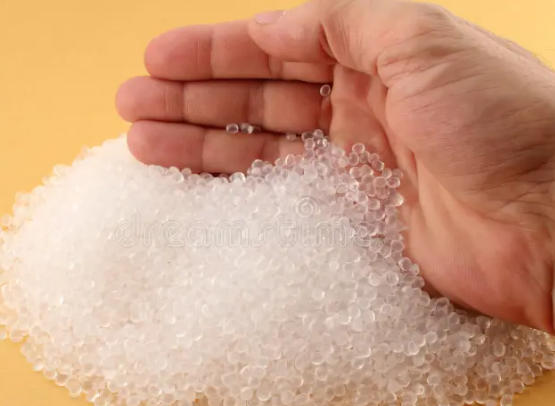
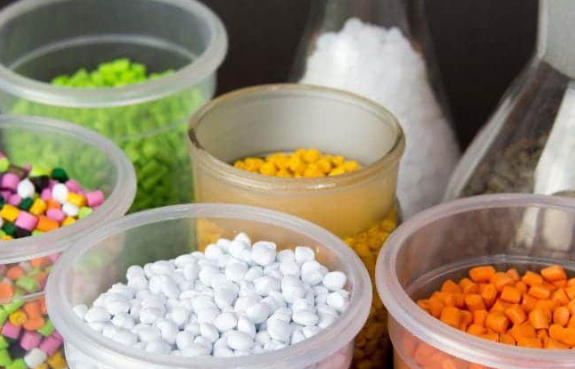
Masterbatch is a concentrated mixture of pigments and additives encapsulated during a heat process into a carrier resin. Later, this blend is cooled and cut into granules, which are then dosed during plastic processing.
1. Improved Performance: Enhances mechanical properties, UV stability, and flame retardancy.
2. Color Consistency: Provides uniform coloration across multiple production runs.
3. Ease of Handling: Offers a clean, dust-free alternative to liquid or powdered additives.
4. Reduced Costs: Lowers the overall amount of additives needed for large-volume processing.
There are several categories of Masterbatch used in industrial plastics production:
- Color Masterbatch – For precise color matching and long-term color stability.
- Additive Masterbatch – Includes UV stabilizers, antioxidants, and flame retardants.
- Filler Masterbatch – Uses talc, calcium carbonate, or glass fibers to improve stiffness or reduce cost.
- Functional Masterbatch – Developed for specific needs like antistatic, anti-blocking, or high-shine finishes.
In global trade, Masterbatch has become an essential product for manufacturers who aim to deliver customized and high-performance plastics for markets ranging from consumer goods to aerospace.
While structure defines how plastics behave under heat, their classification by application shows how Masterbatch enhances their use in various sectors:
| Industry Sector | Common Plastic Types | Common Masterbatch Applied |
|---|---|---|
| Packaging | PE, PP, PET | Color and UV Masterbatch |
| Automotive | ABS, PC, PP | Functional & flame-retardant Masterbatch |
| Construction | PVC, HDPE | Anti-aging & weather-resistant Masterbatch |
| Electrical & Electronics | ABS, PS, PC | Antistatic and conductive Masterbatch |
| Textiles & Fibers | PET, PP | Color and additive Masterbatch |
As global environmental awareness grows, the plastic industry is shifting toward sustainability. Biodegradable and bio-based plastics like PLA (Polylactic Acid), PHA, and PBS have emerged as alternatives to traditional petroleum-based polymers.
Masterbatch technology contributes to sustainability efforts by improving the recyclability of plastics and reducing waste during reprocessing. For instance, recycled Masterbatch products combine reclaimed polymers with high-efficiency additives to maintain performance even after multiple recycling cycles.
Innovations such as bio-compound Masterbatch and degradable additive Masterbatch are helping manufacturers transition toward eco-friendly production while maintaining desirable properties like color vibrancy and durability.
The future of plastics depends heavily on integrating chemistry, materials science, and manufacturing technology. The development of smart Masterbatch formulations—which can adjust to temperature, moisture, or UV exposure—will continuously expand the potential applications of plastics.
Digitally controlled extrusion and injection machines are allowing for precise Masterbatch dosing, reducing color variation and improving energy efficiency. Moreover, enhanced collaboration between polymer scientists and industrial manufacturers will keep pushing plastic materials toward higher performance and environmental harmony.
In short, the evolution of Masterbatch technology ensures that plastics remain adaptable, functional, and relevant in a rapidly changing industrial landscape.
There are hundreds of plastic materials in the modern world, but most can be categorized into key thermoplastic and thermoset groups such as PE, PP, PVC, PS, PET, ABS, PTFE, and PC. What truly revolutionizes these materials is the use of Masterbatch, a foundational innovation that allows adjustment of plastic's functionality, color, and sustainability profile.
From enhancing durability and aesthetics to meeting industry-specific standards, Masterbatch represents the cornerstone of customized polymer engineering. As global industries pursue sustainable solutions, Masterbatch-based innovations will lead the plastics revolution toward smarter, greener materials.
Masterbatch is a concentrated blend of pigments or additives used to color plastics or modify their properties like UV resistance, flame retardancy, or strength.
There are four main types: color Masterbatch, additive Masterbatch, filler Masterbatch, and functional Masterbatch, each serving different industrial purposes.
Yes. Recycled plastics often require specialized recycled Masterbatch to restore color consistency and improve mechanical strength during reprocessing.
Polymer compatibility, processing temperature, additive concentration, and dispersion quality all impact the effectiveness of a Masterbatch in a final product.
Modern Masterbatch formulations can include biodegradable or bio-based additives, helping reduce environmental impact and support closed-loop recycling systems.


