


close
Choose Your Site
Global
Social Media


Views: 222 Author: Rebecca Publish Time: 2026-01-01 Origin: Site


Content Menu
● Understanding Plastic Durability
>> Role of Masterbatch in Plastic Longevity
● Average Lifespan of Common Plastic Materials
● Environmental Factors Affecting Plastic Longevity
>> 1. Sunlight and UV Radiation
● Plastic Degradation and Environmental Impact
● Role of Masterbatch in Sustainable Plastic Innovation
>> Types of Masterbatch Contributing to Sustainability
● How Manufacturers Extend Plastic Life in Products
>> 1. Material Selection and Design
>> 4. Recycling and Circular Economy
● Comparison: Virgin Plastics vs. Recycled Plastics
● How Long Will Masterbatch-Modified Plastics Last?
● Plastic Lifespan in Different Environments
>> In Landfills
>> In Oceans
● The Future of Plastic Durability
● FAQ
>> 1. What is Masterbatch and why is it used in plastics?
>> 2. Can masterbatch make plastics more environmentally friendly?
>> 3. How does UV masterbatch work?
>> 4. What factors most affect how long plastic lasts?
>> 5. Can recycled plastics be as durable as new ones?
Plastic materials have become an inseparable part of modern civilization. From food packaging and automotive parts to construction materials and electronics, plastics bring convenience and durability to nearly every industry. Yet, as society grows more concerned with sustainability and environmental responsibility, one major question continues to arise: How long would plastic material last for?
Understanding the lifespan of plastic materials requires looking beyond simple time frames—it depends on the type of plastic, its exposure to environmental conditions, the additive composition such as masterbatch content, and recycling or degradation processes. This article will break down these factors and deeply explore how different plastics behave over time.

The durability of plastics defines their ability to resist environmental stress, chemical exposure, and mechanical forces. Plastics are polymers—long chains of repeating molecules—that create both flexibility and strength. But every polymer type reacts differently to sunlight, heat, oxygen, moisture, and mechanical stress.
Masterbatch—the concentrated mixture of pigments, additives, and carriers—is a critical factor influencing plastic performance and durability. When added to polymers, masterbatch can:
- Enhance UV stability.
- Improve color consistency.
- Provide anti-oxidation and anti-static protection.
- Strengthen resistance to heat and chemical degradation.
For example, UV masterbatch helps outdoor plastics such as agricultural films or automotive parts resist sunlight breakdown, slowing oxidation and extending life expectancy. Similarly, antioxidant masterbatch prevents polymer chains from breaking down prematurely during processing and use.
The right masterbatch selection ensures that a plastic's properties remain stable for years—even decades—after manufacturing.
Different plastics have varying lifespans depending on composition and environmental exposure. The following table outlines approximate durability ranges under average conditions:
| Type of Plastic | Common Applications | Typical Lifespan |
|---|---|---|
| Polyethylene (PE) | Bags, films, bottles | 10–500 years |
| Polypropylene (PP) | Containers, caps, fibers | 20–400 years |
| Polyethylene Terephthalate (PET) | Beverage bottles, textiles | 50–500 years |
| Polyvinyl Chloride (PVC) | Pipes, windows, flooring | 50–100 years |
| Polystyrene (PS) | Packaging, insulation | 50–200 years |
| Acrylonitrile Butadiene Styrene (ABS) | Automotive parts, toys | 50–100 years |
The difference in lifespan arises because some plastics are more crystalline, some contain stabilizing masterbatches, and others degrade faster under light or moisture.
Even the most durable plastics experience degradation when exposed to natural environments. The main factors influencing degradation include:
Ultraviolet light triggers photo-oxidation in plastic polymers, breaking chemical bonds and leading to brittleness or discoloration. Adding UV stabilizer masterbatch prevents or slows this reaction, prolonging outdoor plastic applications by several years.
High temperatures accelerate oxidation and thermal degradation, while freezing conditions can make plastics brittle. Heat-resistant masterbatch formulations help plastics remain stable under fluctuating industrial or outdoor temperatures.
Hydrolysis occurs when moisture infiltrates certain plastics like nylon or PET. However, moisture-resistant masterbatch additives protect polymer structure, improving shelf life in humid climates.
Repeated bending, pressure, or friction injures the polymer chain, leading to microcracks and eventual material failure. Impact modifier masterbatch can reinforce flexibility and resistance to mechanical fatigue.
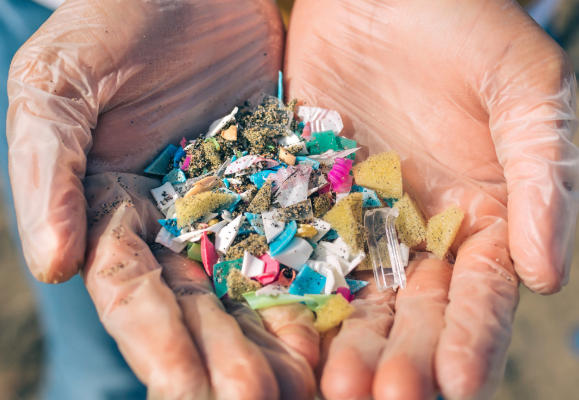
While plastics' longevity can be useful, it also creates an environmental challenge. Once discarded, many plastics persist for hundreds of years in landfills or oceans. Depending on external conditions, plastic degradation can involve:
- Photodegradation: Breakdown under UV radiation.
- Thermal oxidation: Deterioration caused by heat and oxygen.
- Biodegradation: Limited breakdown by microorganisms (mainly for specially formulated bioplastic).
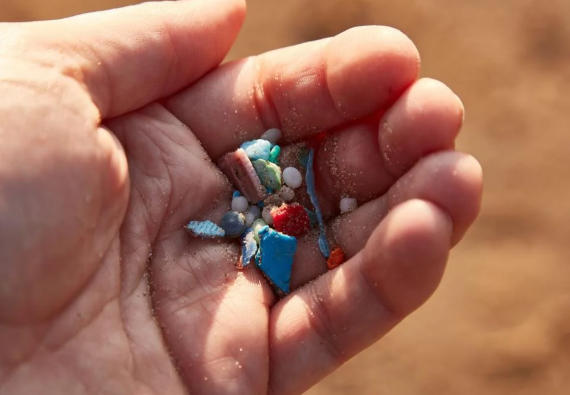
This persistence raises concerns about pollution and microplastic formation. However, industrial research is developing biodegradable masterbatch technologies that make plastics more environmentally friendly by accelerating natural decomposition after use.
As manufacturers seek ways to balance performance and eco-friendliness, the role of masterbatch technology has evolved. Innovations now focus on improving recyclability, enabling color matching without contamination, and supporting biodegradable materials.
- Recycled Content Masterbatch: Blends virgin and recycled polymer while maintaining strength and appearance.
- Biodegradable Masterbatch: Contains pro-degradant additives that trigger breakdown under composting conditions.
- Color Masterbatch for Recycled Plastics: Helps match tones across recycled resin batches, reducing the need for new polymers.
Modern masterbatch formulations allow producers to achieve custom properties without compromising product quality or ecological goals.
Engineers choose resins based on end-use conditions. For outdoor furniture or construction, PE or PP with UV masterbatch is preferred. For medical or food packaging, stabilized PET ensures hygiene and clarity.
Selecting the right masterbatch additives during compounding can enhance durability, anti-fogging, anti-slip, flame resistance, and color stability—all of which extend product lifespan in varied conditions.
Using protective coatings, cleaning, and reusing plastic products significantly delays degradation and reduces waste. Extended use cycles contribute directly to sustainability and cost efficiency.
Recycling transforms post-consumer plastics into new materials. When combined with stabilizing and coloring masterbatch, recycled plastics can match virgin-grade performance, supporting circular manufacturing models.
| Feature | Virgin Plastic | Recycled Plastic with Masterbatch |
|---|---|---|
| Purity | High | Moderate |
| Appearance | Consistent | May vary slightly |
| Durability | Long-lasting | Improved with additives |
| Cost | Higher | Lower |
| Sustainability | Limited | High when properly compounded |
By incorporating stabilizing or color masterbatch during reprocessing, recycled materials can serve in demanding applications, from industrial containers to automotive components.
The addition of masterbatch can significantly lengthen the lifespan of plastics. For instance:
- Outdoor HDPE pipes with UV stabilizer masterbatch may last 50 years or more.
- Automotive components with heat and oxidation-resistant masterbatch maintain function for 20–30 years.
- Agricultural films treated with anti-UV and anti-fog masterbatch remain effective for 5–10 growing seasons.
These results vary by formulation, but consistent research demonstrates one key message: masterbatch enhances plastic resilience, performance, and operational longevity.
Plastics buried without oxygen pace through anaerobic conditions, slowing degradation nearly to a halt. Some materials may persist for over 500 years before major decomposition begins.
Solar radiation, wave friction, and salt gradually fragment plastics into microplastics over centuries. Biodegradable masterbatch additions can shorten breakdown time in marine settings.
Controlled environments—such as indoor warehouses or beneath protective coatings—allow properly stabilized plastics to remain functional for several decades with minimal degradation.
The next decade will reshape how industries view plastic longevity. Manufacturers are developing smart masterbatch technologies incorporating nano-additives, optical sensors, and self-healing polymers. These advanced compounds can extend lifespan while contributing to recycling efficiency and traceability.
The future of plastics lies not only in how long they last but also in how responsibly they are managed once their service ends. Balancing performance longevity with ecological consideration will define the next chapter of polymer innovation.
So, how long would plastic material last for? The answer depends heavily on material type, environmental conditions, and—perhaps most importantly—the use of proper masterbatch formulations. From stabilizers and pigments to biodegradable additives, masterbatch technologies shape the durability, functionality, and sustainability of every modern plastic.
While some plastics can survive centuries without significant decay, advanced additive technologies now allow us to control that lifespan. By selecting suitable masterbatch types, manufacturers can ensure plastic materials perform longer in service—and break down faster at end-of-life—supporting a cleaner, more sustainable planet.
Masterbatch is a concentrated mixture of pigments and additives encapsulated in a carrier resin. It is used to modify plastic properties, add color, and improve UV resistance, thermal stability, or processing performance.
Yes. By using biodegradable or recycled-content masterbatch, manufacturers can reduce environmental impact and improve the biodegradability or recyclability of finished products.
UV masterbatch contains stabilizers that absorb harmful ultraviolet light, preventing polymer chain scission and extending the plastic's lifespan, especially in outdoor conditions.
Sunlight, temperature, humidity, mechanical stress, and chemical exposure are key factors. The addition of protective masterbatch can reduce these effects significantly.
With the right masterbatch additives—such as antioxidants or color stabilizers—recycled plastics can achieve similar durability and performance to virgin materials, promoting sustainable reuse.


