


close
Choose Your Site
Global
Social Media


Views: 222 Author: Rebecca Publish Time: 2025-11-27 Origin: Site


Content Menu
● What masterbatch does inside plastic
● Typical masterbatch ratios in practice
● Main plastic processing methods using masterbatch
● Two basic strategies for adding masterbatch
● Pre‑mixing masterbatch with base resin
● Volumetric masterbatch dosing
● Gravimetric masterbatch dosing
● Direct masterbatch injection into the melt
● Melting and dispersion of masterbatch in the screw
● Why masterbatch is preferred to raw additives
● Typical problems when adding masterbatch to plastic
● Best practices for accurate and stable masterbatch dosing
● Where masterbatch is used in plastic applications
● Practical example: adding masterbatch in injection molding
● Practical example: adding masterbatch in film extrusion
● FAQ
>> 1. What exactly is masterbatch in plastics?
>> 2. How is masterbatch added to plastic during processing?
>> 3. What is a typical addition level for masterbatch?
>> 4. What is the difference between volumetric and gravimetric masterbatch dosing?
>> 5. Why do manufacturers prefer masterbatch instead of raw pigments or additives?
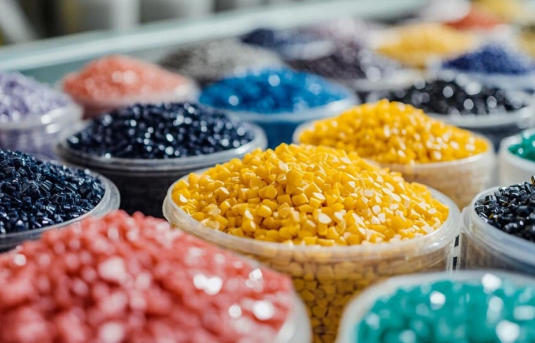
Masterbatch is a concentrated blend of pigments or additives dispersed in a carrier resin that is designed to be diluted into a base polymer during processing. When masterbatch is added to plastic at a controlled dosage, it provides color and functional properties such as UV resistance, antistatic behavior, slip, or flame retardancy with excellent consistency.[2][11][12][13]
In modern plastics manufacturing, masterbatch helps processors achieve clean handling, precise dosing, and stable performance compared with loose powders or liquids. Understanding exactly how masterbatch is added to plastic at each stage of production allows manufacturers to optimize quality, reduce waste, and improve efficiency.[13][14][2]

When masterbatch is added to plastic, the carrier resin melts together with the base polymer, carrying pigments or additives into the molten phase. Proper melting and mixing ensure that the active ingredients in the masterbatch are evenly distributed throughout the plastic, so every part of the product receives the same color and protection.[5][11][15]
Masterbatch can be tailored to many roles in plastic processing: color masterbatch for visual appearance, additive masterbatch for property enhancement, and filler masterbatch to adjust cost and mechanical behavior. By using the right Masterbatch type at the correct dosage, converters can fine‑tune gloss, opacity, stability, processability, and durability of plastic products.[14][2][13]
In most applications, masterbatch is used at a relatively low percentage of the total plastic formulation, commonly between 1% and 5% by weight. Because masterbatch is highly concentrated, even a small addition level can produce a strong color or a powerful functional effect in the polymer.[11][16][2]
The correct masterbatch ratio, known as the let‑down ratio, is determined by the required final property and the strength of the masterbatch formulation. Higher masterbatch dosages may be needed for deep colors or high UV resistance, while light tints or mild performance adjustments can be achieved with lower masterbatch levels.[17][2][11]
Masterbatch can be added to plastic in nearly all standard thermoplastic processes, but the exact method of introducing masterbatch may differ. The three most important processing technologies using masterbatch are extrusion, injection molding, and blow molding.[16][5][11]
In film and sheet extrusion, masterbatch is metered into the extruder feed so it disperses as the polymer passes through the screw and die. In injection molding, masterbatch is dosed into the machine hopper and mixed as the screw plasticizes and injects the material into the mold. In blow molding and pipe extrusion, continuous masterbatch dosing guarantees uniform color and properties along the entire product length.[18][19][11][16]
There are two broad strategies for adding masterbatch to plastic: blending masterbatch with base resin before feeding, or dosing masterbatch directly into the processing machine. Both strategies can give excellent results if the masterbatch is compatible with the polymer and the addition level is accurately controlled.[2][11][16]
Pre‑mixing masterbatch with polymer is common for smaller batches or when color changes are infrequent, because it requires simple equipment and more manual work. Direct dosing using dedicated feeders is preferred in high‑volume, automated lines where stable and repeatable masterbatch addition is essential.[19][16][18][2]
In pre‑mixing, operators calculate the required masterbatch percentage and weigh both masterbatch and base polymer accordingly. The materials are then combined in a mixer—often a drum, tumbler, or high‑speed blender—until the masterbatch granules appear evenly distributed among the polymer pellets.[5][11][16]
After pre‑mixing, this dry blend is loaded into the hopper of an extrusion or injection molding machine and processed as usual. As the blend moves through the screw, the masterbatch melts together with the base polymer, allowing pigments or additives to migrate and disperse into the molten plastic.[15][11][5]
Pre‑mixing offers simplicity, low investment cost, and flexibility for trials or niche colors, which is why many smaller processors rely on this approach. However, differences in pellet size or density between masterbatch and base resin can cause segregation during handling or in the hopper, which may lead to color fluctuations along the production run.[11][16][2]
Volumetric dosing systems add masterbatch to plastic by controlling the volume of material delivered per unit time, typically using a rotating screw or auger. The screw speed is set so that, at a given throughput of base polymer, the volumetric flow of masterbatch corresponds to the targeted percentage.[20][18][19]
When using volumetric dosing, processors program the feeder to run at a constant rate, assuming that the bulk density of the masterbatch remains stable. Volumetric masterbatch feeders provide a good balance between investment cost and performance and are widely used where moderate accuracy is acceptable.[21][18][20]
The limitation of volumetric masterbatch dosing is that it does not measure actual weight; any change in material density, fluidity, or pellet geometry can influence the real addition level. For some products this may result in small variations in shade or property, but for many general‑purpose applications the variations remain within acceptable limits.[18][19][21]
Gravimetric dosing systems measure masterbatch by weight and adjust the feeder speed automatically to maintain the target ratio to the main material. Most gravimetric masterbatch units work on a loss‑in‑weight principle, where the controller monitors how quickly masterbatch weight decreases in the hopper and corrects the screw speed in real time.[19][21][18]
This way of adding masterbatch to plastic is highly accurate and repeatable, reducing over‑use of masterbatch and ensuring narrow color tolerances and stable functional properties. Gravimetric systems are common in applications such as high‑quality film, medical components, and automotive parts, where precise masterbatch dosing is essential.[22][21][18][19]
Although gravimetric masterbatch feeders have a higher initial cost and require proper training for setup and maintenance, they often pay back through savings in masterbatch consumption and fewer off‑spec products. For plants running multiple production lines and a wide portfolio of masterbatch formulations, gravimetric control also improves traceability and process documentation.[23][2][18]
Some advanced plants add masterbatch to plastic by injecting it directly into the screw or melt stream instead of through the main hopper. In such systems, side feeders or injection ports introduce granular or liquid masterbatch into a specific screw zone where mixing is strongest.[16][11][18]
Liquid masterbatch can be metered by pumps with extremely high precision, helping processors to achieve rapid color changes and very fine adjustments of dosage. Direct masterbatch injection reduces the risk of segregation and can improve dispersion for demanding formulations, but it requires more complex engineering and maintenance than standard hopper‑based dosing.[11][16][18]
Regardless of how masterbatch is introduced, the essential work of dispersion happens in the heated screw or barrel of the plastic processing machine. As the material travels along the screw, it experiences rising temperature and mechanical shear that melt both base resin and masterbatch carrier.[4][15][5]
Once melted, the active ingredients from the masterbatch—pigments, stabilizers, lubricants, or other additives—are released and distributed into the polymer melt. Proper screw design, temperature profile, and residence time help to break down pigment agglomerates and achieve a uniform Masterbatch dispersion without damaging sensitive additives.[4][15][5]
If the Masterbatch is not fully melted or the mixing is insufficient, defects such as color streaks, spots, or haze can appear in the product. On the other hand, excessive temperature or shear can degrade some additives or polymers, so processors carefully adjust the masterbatch processing window for each material combination.[15][2][4][5]
Using masterbatch instead of raw pigments or liquid additives provides multiple operational benefits for plastic converters. Masterbatch pellets are easier and cleaner to handle, reducing dust, staining, and the risk of contamination in the production area.[13][2][16]
Because masterbatch is manufactured in dedicated compounding lines and tested for consistency, it delivers stable color strength and additive performance from batch to batch. This stability means that once the correct masterbatch dosing has been established, processors can run long campaigns with minimal adjustment, saving time and avoiding scrap.[14][2][13]
Compared with in‑plant compounding of raw materials, using off‑the‑shelf masterbatch reduces formulation complexity and shortens development times. Many masterbatch suppliers offer customized Masterbatch solutions for particular polymers and applications, allowing manufacturers to fine‑tune properties while keeping the actual addition step simple on the production floor.[24][17][2]
Even with a well‑designed masterbatch, problems can occur if the dosing or processing conditions are not correctly controlled. Common issues include shade variation, streaking, specks, poor mechanical properties, and insufficient performance of functional additives.[2][14][11]
Color fluctuations may result from inconsistent masterbatch feed, segregation of the pre‑mix, or changes in the main resin throughput. In such cases, stabilizing the masterbatch feeder settings, improving mixing, or switching from volumetric to gravimetric dosing can significantly improve consistency.[16][18][19]
Functional problems—such as premature weathering, static build‑up, or fogging—often indicate that the actual masterbatch level is lower than planned or that the selected masterbatch type is not fully compatible with the base polymer. To solve this, processors may raise the Masterbatch dosage slightly, adjust process conditions, or work with the supplier to redesign the masterbatch formulation.[17][14][2]
Accurate masterbatch dosing begins with careful weighing, calibration, and documentation. Processors define target let‑down ratios for each product and then verify that equipment setpoints translate into the correct real‑world addition levels.[23][18][19]
Regular calibration of feeders is essential, especially when switching between different masterbatch types that may vary in density or pellet size. Routine checks, such as comparing actual material consumption with theoretical values, help to identify feeder drift or operator errors before they affect large batches.[21][18][19]
Good housekeeping and storage procedures support stable masterbatch performance. Masterbatch and base resins should be stored in dry conditions, protected from contamination, and clearly labeled so that the right masterbatch is always matched with the correct polymer grade and product specification.[14][17][2]
For demanding applications, many manufacturers combine gravimetric masterbatch feeding with in‑line measurement systems such as color sensors or thickness gauges. These systems close the loop between masterbatch addition and product quality, allowing automatic correction of masterbatch dosing in response to real‑time feedback.[18][21][23]
Masterbatch is used in practically every major plastic segment, from thin packaging films to thick structural parts. Color masterbatch creates strong and consistent hues in consumer packaging, caps, closures, toys, and household goods.[13][2][14]
In infrastructure and industrial products, additive masterbatch controls UV stability, flammability, antistatic properties, and processing behavior of pipes, cables, profiles, and sheets. In food and medical packaging, carefully designed masterbatch ensures that regulatory limits and migration requirements are met while still delivering the necessary performance.[17][2][14]
By adding masterbatch to plastic with the right method, converters can satisfy complex specifications from brand owners and end users while maintaining competitive production costs. Combining standard and customized masterbatch grades allows producers to cover a wide range of product types using a relatively small toolbox of masterbatch formulations.[2][13][14]
In a typical injection molding plant, a processor may need to produce a series of colored parts made from the same base polymer. To do this, the team selects a suitable color masterbatch that is compatible with the polymer, then establishes a target dosage—perhaps 2.5% Masterbatch in the total melt.[19][11][17][2]
If a volumetric feeder is used, it is configured to deliver masterbatch at the calculated rate relative to the estimated polymer throughput. Operators verify the actual masterbatch consumption over time and adjust the settings to minimize the difference between theoretical and actual addition levels.[21][18][19]
If a gravimetric feeder is installed, the system continuously measures the masterbatch weight loss and corrects screw speed so that the ratio to the main resin remains stable even when the machine speed changes. During production, parts are checked for color uniformity, surface quality, and mechanical properties, and minor fine‑tuning of masterbatch dosage may be made to hit the exact target shade.[18][19][21][2]
In blown film or cast film lines, masterbatch dosing usually runs continuously, and any instability becomes visible along the film length. The process typically starts with a trial where several masterbatch dosages are tested to determine the minimum level that achieves the required opacity, color density, or functional effect.[14][16][2][18]
After selecting the optimum masterbatch level, the chosen feeder type—volumetric or gravimetric—is set up to deliver masterbatch in proportion to the film throughput. Film properties such as haze, gloss, and tensile strength are evaluated periodically, and any drift in masterbatch addition is corrected through feeder recalibration or parameter adjustments.[19][21][18]
By standardizing such procedures, film producers ensure that adding masterbatch to plastic becomes a predictable and repeatable step rather than a source of variation. This is especially important for large orders where color consistency and functional performance must remain stable from roll to roll across long production campaigns.[17][2][14]
Adding masterbatch to plastic is a controlled operation in which a concentrated blend of pigments or additives in a carrier resin is metered into a base polymer and dispersed during melting. Whether masterbatch is introduced through pre‑mixing, volumetric feeding, gravimetric feeding, or direct injection, success depends on accurate dosage, good compatibility, and effective mixing in the screw.[12][11][18]
By selecting appropriate Masterbatch types, maintaining well‑calibrated dosing equipment, and following robust process procedures, manufacturers can achieve stable color, reliable functional performance, and reduced material waste. In a competitive plastics industry, mastering how masterbatch is added to plastic is a key factor in delivering high‑quality products that meet demanding application and regulatory requirements.[13][2][17]
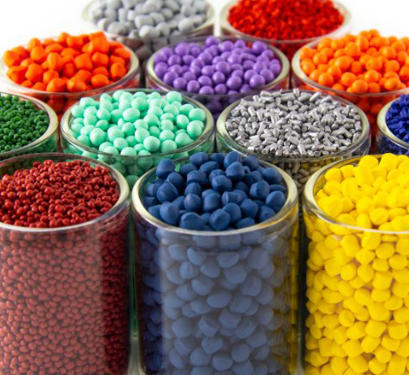
Masterbatch is a concentrated mixture of pigments, additives, or fillers encapsulated in a compatible carrier resin, supplied in pellet form. When masterbatch is added to plastic at a defined percentage, it imparts color or functional properties such as UV stability, slip, antistatic behavior, or flame retardancy.[12][11][2][14]
Masterbatch can be added to plastic by pre‑mixing it with the base resin before feeding, or by dosing it directly into the machine using volumetric or gravimetric feeders. In all cases, the masterbatch pellets melt and disperse into the molten polymer inside the screw, distributing pigments or additives throughout the product.[5][15][11][16]
In many extrusion and injection molding applications, masterbatch addition levels range from about 1% to 5% by weight, depending on the formulation and desired effect. Strongly pigmented color masterbatch may work at the low end of this range, while some additive masterbatches require higher dosages to deliver full performance.[11][16][2][17]
Volumetric masterbatch dosing controls the feed rate by volume through a rotating screw or auger, offering reasonable accuracy at relatively low cost. Gravimetric masterbatch dosing measures and controls the feed by weight, automatically adjusting screw speed to maintain a precise ratio to the main resin and reducing material consumption over time.[21][18][19]
Masterbatch pellets are cleaner and easier to handle than powders or liquids, reducing dust and contamination risks in the factory. Because masterbatch is pre‑compounded and quality‑controlled, adding masterbatch to plastic helps manufacturers achieve consistent color and properties with fewer trials and lower overall production risk.[16][2][13]
[1](https://www.charmingmb.com/2025/10/09/masterbatch-manufacturing-process-a-complete-guide-to-production-and-innovation/)
[2](https://deltatecnic.com/complete-guide-to-masterbatch/)
[3](https://www.materials.zone/blog/8-steps-to-optimize-the-masterbatch-manufacturing-process)
[4](https://jieyatwinscrew.com/blog/masterbatch-production-line/)
[5](https://www.runme-plas.com/resources/masterbatch-manufacturing-process-a-complete-guide.html)
[6](https://www.mascomglobal.com/understanding-pe-masterbatch-a-comprehensive-guide/)
[7](https://eupegypt.com/blog/color-masterbatch-manufacturing-process/)
[8](https://www.cowinextrusion.com/understanding-color-masterbatch-manufacturing-process/)
[9](https://masterbatch.com.vn/news/a-deep-dive-into-the-art-and-science-of-masterbatch-manufacturing-process/)
[10](https://masterbatchglobal.com/articles/inside-the-masterbatch-manufacturing-process/)
[11](https://en.wikipedia.org/wiki/Masterbatch)
[12](https://www.plastics-technology.com/articles/an-overview-masterbatch-plastics-technology)
[13](https://www.tosaf.com/article/plastic-masterbatch-article/)
[14](https://eupegypt.com/blog/additive-masterbatch/)
[15](https://resmart.com/news/post/the-science-of-coloring-plastics-with-a-masterbatch.html)
[16](https://fillplas.com/masterbatch-what-exactly-is-it/)
[17](https://alokmasterbatches.com/blogs/what-is-masterbatch-its-manufacturing/)
[18](https://liadsmart.com/techniques-for-dosing/)
[19](https://www.shini.com/ep_edm/en/contect_676.html)
[20](https://www.jmxiecheng.com/xiecheng-volumetric-doser.html)
[21](https://fleming.net.au/products/gravimetric-dosing/)
[22](https://www.movacolor.com/news/gravimetric-feeder-versus-volumetric-feeder/)
[23](https://www.wensuimachinery.com/news/gravimetric-vs-volumetric-blenders-which-should-you-choose)
[24](https://phoenixplastics.com/cost-benefits-using-masterbatch-vs-compounding/)


