


close
Choose Your Site
Global
Social Media


Views: 222 Author: Rebecca Publish Time: 2025-12-29 Origin: Site


Content Menu
● Understanding Bamboo Plastic Material
● The Manufacturing Process of Bamboo Plastic Material
>> 1. Bamboo Fiber Preparation
>> 2. Polymer Selection and Blending
>> 3. The Role of Masterbatch in Bamboo Plastic
>> 4. Compounding and Pelletizing
>> 6. Cooling and Post-processing
● Types of Masterbatch Used in Bamboo Plastic
● Advantages of Bamboo Plastic Material
● Environmental Impact and Sustainability
● Quality Control in Bamboo Plastic Production
● Applications of Bamboo Plastic Material
● Innovation in Masterbatch for Bamboo Composites
● Challenges and Future Outlook
● FAQ
>> (1) What is masterbatch in bamboo plastic materials?
>> (2) Are bamboo plastic materials biodegradable?
>> (3) How long does bamboo plastic last?
>> (4) Can masterbatch affect the recyclability of bamboo plastic?
>> (5) What are the main applications of bamboo plastic materials?
Bamboo plastic material represents a sustainable innovation in the modern plastics industry, blending natural fibers with advanced polymer science. Unlike conventional petroleum-based plastics, bamboo composites are derived from renewable sources, offering improved biodegradability and reduced environmental impact.
This article explores how bamboo plastic material is made — from raw bamboo processing and polymer blending to masterbatch formulation and final product molding. It also highlights the role of masterbatch in achieving color uniformity, UV resistance, and improved mechanical performance.

Bamboo plastic, sometimes known as bamboo fiber-reinforced plastic, is a hybrid material that combines natural bamboo fiber with thermoplastic resins such as polypropylene (PP), polyethylene (PE), or polylactic acid (PLA). This bio-composite unites the mechanical strength of bamboo with the flexibility and processability of plastic.
Bamboo plastic materials are used in consumer goods, automotive parts, electrical housings, and eco-friendly tableware. A critical component in manufacturing high-quality bamboo plastic is the masterbatch — a concentrated mixture of pigments, additives, or fillers mixed into the polymer base to enhance specific properties.
The production of bamboo plastic material involves multiple scientific and technical stages. Each step influences the final product's structural integrity, color consistency, and sustainability performance.
The journey begins with the selection and pretreatment of bamboo. Mature bamboo culms are harvested, dried, and chopped into small chips. Through mechanical fiber extraction, the bamboo is crushed and refined into micro or nano-scale fibers. This process helps increase surface area, promoting better adhesion with the polymer matrix.
Next, chemical treatment — typically with alkaline solutions — removes lignin and hemicellulose, enhancing fiber compatibility with plastic resins. The cleaned fibers are then dried to a controlled moisture level before compounding.
The choice of polymer matrix determines the overall characteristics of the bamboo plastic. Common base resins include:
- Polypropylene (PP): Offers mechanical strength and thermal stability.
- Polyethylene (PE): Ensures flexibility and chemical resistance.
- Polylactic Acid (PLA): A biodegradable option derived from renewable resources.
- ABS or PET: Used for high-performance applications.
At this stage, the selected plastic resin is blended with bamboo fibers under precise temperature and speed conditions using a twin-screw extruder. Uniform dispersal of fibers within the polymer ensures consistent performance across batches.
Masterbatch is indispensable in bamboo plastic manufacturing. Serving as a concentrated additive formulation, masterbatch helps integrate colorants, UV stabilizers, compatibilizers, and flame retardants. The advantages include:
- Color Control: Pigment masterbatches guarantee consistent coloring even at low addition rates.
- UV Protection: Anti-UV masterbatch prolongs the product's colorfastness and structural strength.
- Processing Improvement: Lubricant or anti-static masterbatch reduces friction, allowing smoother extrusion and molding.
- Fiber-Polymer Bonding: Compatibilizer masterbatch enhances adhesion between bamboo fibers and the polymer matrix, improving tensile and impact strength.
Typically, 2%–5% masterbatch is added to the base material during extrusion to achieve the desired effect.
Once the bamboo fibers, polymer, and masterbatch are uniformly blended, the mixture undergoes compounding. In a twin-screw extruder, heat and pressure melt the polymer, coating the bamboo fibers with the resin. As the homogenized material exits the extruder, it's cooled and pelletized into small granules.
These pellets — known as bamboo plastic masterbatch pellets — act as feedstock for injection molding, blow molding, or extrusion processes. This stage ensures consistent material quality and efficient mass production.
The compounded pellets are melted again for the final shaping phase. Depending on the end product, processes may include:
- Injection Molding: For utensils, lids, and automotive parts.
- Extrusion: For sheets, films, and packaging materials.
- Compression Molding: For thicker or composite items like furniture components.
Precise temperature and pressure controls guarantee the uniform dispersion of the bamboo fibers and masterbatch elements, ensuring consistent texture, strength, and aesthetics.
After molding, products undergo controlled cooling to stabilize the structure and prevent deformation. Post-processing may include trimming, polishing, or surface coating. In colored bamboo plastics, surface appearance reflects not only pigment quality but also masterbatch dispersion efficiency.
Masterbatch formulations tailored for bamboo plastics can be categorized into functional and color masterbatches. Both play critical roles in ensuring durability and consistency across manufacturing batches.
- Color Masterbatch: Delivers uniform and visually appealing hues ranging from natural tones to vivid colors.
- Functional Masterbatch: Optimizes product performance by providing UV protection, flame retardancy, or antibacterial properties.
- Biodegradable Masterbatch: Specifically designed for PLA-based bamboo plastics to maintain environmental integrity.
- Antioxidant Masterbatch: Prevents thermal oxidation during high-temperature processing.
Masterbatch ensures not only aesthetic quality but also processing stability — a key requirement for maintaining competitive quality standards in both domestic and export markets.
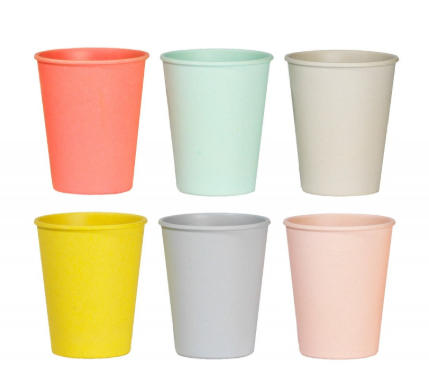
Bamboo plastic material offers a range of ecological and technical advantages over conventional plastics.
1. Sustainability: Bamboo is a fast-growing renewable resource, significantly reducing carbon footprint.
2. Mechanical Strength: Bamboo fibers enhance tensile and impact resistance.
3. Lightweight: Despite its strength, bamboo composite material is lightweight and easy to mold.
4. Biodegradability: When combined with biodegradable resins like PLA, it supports circular economy goals.
5. Aesthetic Appeal: Masterbatch integration allows exceptional color control and finish quality.
6. Thermal and Chemical Resistance: Engineered masterbatch formulations allow improved resistance to environmental stress.
These benefits make bamboo plastic materials attractive in industries such as consumer goods, automotive interiors, packaging, and daily-used eco-products.
Bamboo plastic composites are part of a broader movement toward sustainable materials. Bamboo's high carbon sequestration capacity and renewable nature complement the eco-friendly narrative. When paired with biodegradable polymer and green masterbatch, the final material decomposes faster under composting conditions than pure plastics.
Sustainability also extends to manufacturing efficiency. Using recycled plastic or bio-based resins further enhances eco-performance. Additionally, color masterbatch minimizes waste by ensuring consistent pigmentation, reducing product rejection rates.
Maintaining product consistency in bamboo plastic manufacturing requires rigorous quality control standards. Key testing parameters include:
- Fiber Dispersion Analysis: Ensures even integration of bamboo fibers.
- Melt Flow Index (MFI): Monitors polymer processing behavior.
- Color Consistency Test: Determines masterbatch uniformity.
- Tensile and Impact Strength: Verifies mechanical performance.
- Thermal Degradation Test: Confirms material resistance to heat and UV radiation.
Analytical instruments such as spectrophotometers and universal testing machines help guarantee that each batch meets performance expectations.
With the help of advanced masterbatch technologies, bamboo plastic material has found usage in a diverse range of sectors:
- Food Containers & Tableware: BPA-free, biodegradable alternatives to conventional plastic.
- Construction Materials: Decking, wall cladding, and eco-composite boards.
- Automotive Industry: Interior trim components and panels.
- Consumer Electronics: Casings for devices and chargers.
- Household Goods: Chairs, cutlery, flower pots, and more.
The ability to use masterbatch to adjust functionality—such as adding antibacterial or anti-UV effects—allows customization for specific industrial requirements.
Recent innovations in masterbatch technology have significantly enhanced bamboo plastic performance:
- PLA-compatible masterbatch allows better biodegradability without sacrificing durability.
- Nano-additive masterbatch improves UV and oxygen barrier performance.
- Natural pigment masterbatch offers safer, food-grade coloration without heavy metals.
- Foaming masterbatch helps produce lightweight bamboo products with improved insulation.
These advancements pave the way toward eco-design and cost-effective industrial scale production.
Despite its promise, bamboo plastic still faces several production challenges:
1. Fiber–Polymer Compatibility: Requires optimized bonding via compatibilizer masterbatch.
2. Moisture Sensitivity: Bamboo fibers can absorb water, affecting strength and molding consistency.
3. Cost Factor: High-quality treatment and compounding equipment increase production expenses.
4. Recycling Complications: Fiber-reinforced composites are harder to recycle through traditional means.
However, ongoing progress in sustainable masterbatch development and fiber modification technologies are expected to resolve these issues. The bamboo plastic market is projected to grow steadily as global consumers increasingly prefer biodegradable, high-performance materials.
The process of making bamboo plastic material integrates biological resources with polymer engineering to create sustainable, durable, and aesthetically versatile products. Masterbatch plays a central role in enhancing color, stability, and performance—making bamboo plastic materials suitable for a wide range of industrial applications.
From bamboo fiber extraction and polymer blending to masterbatch optimization and final molding, every step reflects the industry's commitment to green innovation. With continuous advancements in material formulations, bamboo plastic is poised to redefine the future of eco-friendly composites.
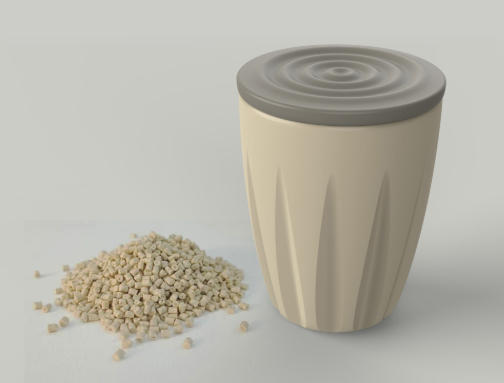
Masterbatch is a concentrated mixture of additives or colorants incorporated into bamboo plastic during extrusion or molding. It ensures consistent color, improved fiber bonding, and protection against UV and heat degradation.
Yes, especially when combined with biodegradable polymers such as PLA or PBS. Using eco-friendly masterbatch further enhances compostability and sustainability performance.
High-quality bamboo plastic, when processed with functional masterbatch, can last several years — even in outdoor conditions — due to its resistance to UV light and moisture.
It depends on formulation. Non-toxic and biodegradable masterbatch types support eco-friendly recycling, while traditional ones may limit full biodegradation.
Bamboo plastic materials are used in packaging, kitchenware, automotive interiors, consumer electronics, and construction materials due to their strength, durability, and renewable nature.


