


close
Choose Your Site
Global
Social Media


Views: 222 Author: Rebecca Publish Time: 2025-12-20 Origin: Site


Content Menu
● The Role of ABS Masterbatch in Sustainable Production
>> 3. Improved Energy Efficiency
>> 4. Reduction of VOC Emissions
● How ABS Masterbatch Enhances Product Lifecycle Sustainability
>> Compatibility with Recycled Resins
● The Environmental Advantages of Using ABS Masterbatch
● Industrial Applications of Eco-Friendly ABS Masterbatch
>> Construction and Appliances
● Innovations in Eco-Friendly ABS Masterbatch
>> Biodegradable and Bio-Based Additives
>> Smart Additives for Energy Saving
>> Waste-Reinforced Masterbatch
● Challenges and Future Outlook
● FAQs About ABS Masterbatch and Eco-Friendly Manufacturing
>> (1) What makes ABS Masterbatch eco-friendly?
>> (2) Can ABS Masterbatch be used with recycled plastics?
>> (3) Does ABS Masterbatch increase production costs?
>> (4) In which industries is eco-friendly ABS Masterbatch most useful?
>> (5) How does ABS Masterbatch support circular economy goals?
As global industries shift toward sustainability, the manufacturing sector faces rising demand to reduce environmental footprints while maintaining product performance. Among the technical innovations driving this change, ABS Masterbatch has emerged as a key material solution. Combining performance, consistency, and eco-friendly properties, it helps manufacturers achieve durability and aesthetics with lower environmental impact.
This article explores how ABS Masterbatch contributes to green manufacturing and why it is becoming an essential tool for responsible production.

ABS Masterbatch is a concentrated mixture of pigments, additives, and a polymer carrier—mainly Acrylonitrile Butadiene Styrene (ABS). It is used to provide coloration, improve processing, or enhance mechanical properties of plastic products. By dispersing additives uniformly, Masterbatch ensures consistent results, reduced waste, and improved recyclability compared with traditional compounding methods.
In modern industries, ABS Masterbatch allows manufacturers to precisely tailor plastic performance, improving lifecycle efficiency while cutting down on material usage and energy consumption.
Eco-friendly manufacturing doesn't simply mean replacing materials—it involves optimizing production processes. ABS Masterbatch plays a central role in this transformation by improving performance and reducing resource consumption at multiple stages.
Using pre-dispersed Masterbatch reduces the need for excess pigment loading and trial runs during production. Because color and performance additives are already accurately formulated, manufacturers can eliminate repeated mixing and inaccurate dosing. This precision results in substantial material savings and less off-spec waste.
ABS Masterbatch makes recycling easier by ensuring stable properties even during multiple processing cycles. Many manufacturers produce recycled-grade Masterbatch that can be blended with post-consumer or post-industrial ABS resins, helping close the material loop. The result is a more circular, low-waste manufacturing ecosystem.
Masterbatch simplifies the compounding process, meaning less energy is used to blend additives. Unlike dry coloring methods, which require extended mixing and heating, ABS Masterbatch melts and disperses quickly. This smoother processing leads to shorter production cycles and lower energy consumption—critical aspects of sustainable manufacturing.
Many conventional plastic additives release volatile organic compounds (VOCs) during processing. Advanced formulations of ABS Masterbatch minimize or eliminate VOC emissions by using environmentally safe stabilizers and pigments. Cleaner air in the workplace and fewer atmospheric pollutants contribute to a more sustainable production environment.
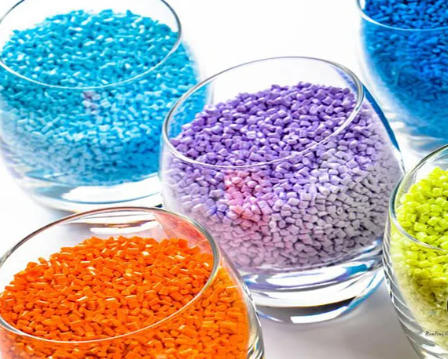
From raw material selection to end-use disposal, sustainability encompasses every phase of a product's life. ABS Masterbatch supports this full-cycle approach by balancing performance stability with environmental responsibility.
ABS Masterbatch can integrate UV stabilizers, anti-scratch agents, or impact modifiers that extend a product's lifespan. Longer product life reduces replacement demand, meaning less waste and fewer new resources extracted. This durability directly translates into lower carbon footprints per product unit.
Masterbatch-based formulations enable manufacturers to create thinner, lighter parts without compromising performance. In sectors like automotive manufacturing, lightweight plastic components replace heavier metal parts, contributing to fuel efficiency and reduced emissions over a vehicle's lifetime.
Incorporating recycled ABS with Masterbatch additives ensures consistent aesthetics and mechanical performance. Even when recycled resins vary in quality, Masterbatch compensates for fluctuations by stabilizing polymer behavior. This ensures recycled plastics can meet the same quality standards as virgin materials.
Transitioning to sustainable manufacturing means examining small yet impactful changes in materials and process design. The environmental benefits of ABS Masterbatch include measurable improvements across important sustainability metrics:
- Reduced carbon footprint: Optimized formulations cut down on raw material and energy use.
- Waste minimization: Consistent product quality minimizes scrap production.
- Lower chemical hazards: Eco-grade Masterbatch minimizes the presence of heavy metals or harmful dyes.
- Improved efficiency: Simplified mixing and faster processing save energy and time.
- Support for circular economy: Enhances recyclability and reusability of plastic goods.
Together, these qualities make ABS Masterbatch an indispensable tool for companies aiming to meet green manufacturing standards like ISO 14001 or ECO Design directives.
Automotive interiors, trims, and panels require color stability and high mechanical integrity. ABS Masterbatch ensures durability under heat while supporting lightweighting strategies that reduce vehicle emissions.
ABS is widely used in casings and housings for electronics. Masterbatch provides high gloss, surface uniformity, and flame-retardant performance—all critical for compliance with environmental and safety regulations.
Sustainable packaging trends drive demand for recyclable and safe materials. With non-toxic, food-contact Masterbatch grades, manufacturers produce packaging that meets both aesthetic and ecological standards.
From decorative panels to infrastructure components, ABS Masterbatch improves UV resistance, surface finish, and strength, extending service life in buildings and household applications.
Advancements in Masterbatch technology make sustainability increasingly accessible and cost-effective.
Manufacturers are developing bio-based carrier systems and additives that integrate with traditional ABS resins. These materials lower dependence on fossil feedstocks while maintaining high performance.
Next-generation ABS Masterbatch products feature infrared (IR) reflectors or cool pigments that reduce heat buildup, effectively saving energy in applications like automotive interiors or electronic housings.
Recycled polymer carriers are being combined with smart additives to transform waste streams into valuable new products. This not only minimizes landfill waste but also reduces reliance on virgin polymer supply.
While ABS Masterbatch greatly improves sustainability metrics, certain challenges remain:
- Balancing cost and performance: Eco-grade Masterbatch can be more expensive, requiring long-term investment.
- Recycling integration: Efficient collection and segregation systems are needed for closed-loop production.
- Standardization: Global sustainability standards must consistently define eco-friendly product claims.
Despite these hurdles, the future of ABS Masterbatch looks promising. With ongoing research, better pigment dispersion technologies, and recycling compatibility improvements, it will play an increasing role in next-generation sustainable manufacturing systems.
The transition to eco-friendly manufacturing is no longer optional—it's an essential step toward long-term industrial viability. ABS Masterbatch bridges the gap between functionality and sustainability by enabling producers to reduce material waste, energy use, and harmful emissions without sacrificing performance or design flexibility.
From automotive to packaging sectors, ABS Masterbatch empowers industries to embrace circular production models and greener outcomes. As market demand for sustainable materials grows, investing in innovative Masterbatch solutions becomes not only an environmental responsibility but also a strategic competitive advantage.
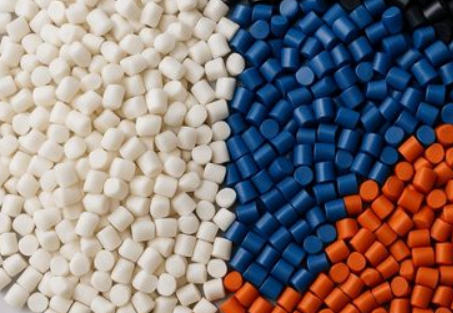
Eco-grade ABS Masterbatch reduces energy consumption, eliminates VOC emissions, and enhances recyclability. It ensures consistent quality, allowing products to be reused or recycled without degradation.
Yes. Many Masterbatch manufacturers produce formulations compatible with recycled ABS, maintaining performance, color stability, and surface finish, even for mixed-grade resins.
Initially, it might seem more expensive, but the efficiency gains—less waste, lower energy use, and faster processing—often lead to lower total manufacturing costs in the long run.
It is widely used in automotive, consumer electronics, construction, household appliances, and packaging industries where both performance and environmental compliance are critical.
By extending product lifespan, improving recyclability, and reducing virgin material use, ABS Masterbatch directly contributes to closed-loop production and sustainable resource management.


