


close
Choose Your Site
Global
Social Media


Views: 222 Author: Rebecca Publish Time: 2025-12-26 Origin: Site


Content Menu
● Production Process of PP Masterbatch
● Types of PP Masterbatch Used in Packaging
● The Importance of PP Masterbatch in Packaging
>> 1. Improved Aesthetic Appeal
>> 2. Enhanced Functional Performance
>> 3. Cost Efficiency and Ease of Use
>> 4. Sustainability and Recycling
● Applications of PP Masterbatch in Packaging Industry
● Quality Considerations When Selecting a PP Masterbatch
● Future Trends: PP Masterbatch and Sustainability
● Advantages of PP Masterbatch for Manufacturers
● Challenges in Using PP Masterbatch
● FAQ
>> 1. What is the main purpose of PP Masterbatch in packaging?
>> 2. How is PP Masterbatch added during production?
>> 3. Is PP Masterbatch suitable for food packaging applications?
>> 4. Can PP Masterbatch be used in recycled packaging materials?
>> 5. What factors determine the quality of PP Masterbatch?
The packaging industry today stands at the crossroads of sustainability, functionality, and innovation. Among the many materials that power this field, Polypropylene (PP) Masterbatch has emerged as one of the most versatile and efficient additives for packaging manufacturers worldwide. As companies seek cost-effective and customizable solutions to improve packaging quality, PP Masterbatch offers a practical pathway to achieving color consistency, improved mechanical properties, and environmental performance.
This article explores every aspect of PP Masterbatch, from its composition and manufacturing process to its applications, types, and advantages in plastics used in the packaging industry.

PP Masterbatch is a concentrated mixture of pigments, additives, or fillers dispersed in a polypropylene (PP) carrier resin. It is used during the plastic manufacturing process to modify or enhance the physical and aesthetic properties of final products.
Rather than directly adding powders or pigments to molten polypropylene, manufacturers use masterbatch granules for better distribution, improved control, and safer handling. The result is a plastic product with consistent color, better UV protection, anti-static properties, or specific physical performance depending on the needs of the end-user.
The manufacturing process of PP Masterbatch involves several critical steps designed to ensure precision, consistency, and high-quality dispersion.
1. Material Selection: The base polymer is polypropylene (PP), known for its lightweight, durable, and recyclable characteristics. Additives and pigments are carefully selected based on required properties like color intensity, UV stability, or flame retardancy.
2. Mixing and Extrusion: The raw materials are pre-mixed and then processed through a twin-screw extruder at controlled temperatures. This step ensures uniform dispersion of pigments or additives into the polymer matrix.
3. Pelletizing: The extruded mixture is cooled and cut into uniform pellets—these granules are the final PP Masterbatch form, easily transported and blended with virgin polymer during extrusion, injection molding, or blow molding processes.
4. Quality Control: Tests are conducted to ensure perfect dispersion, thermal stability, and compatibility with specific PP grades.
This controlled process guarantees predictable and repeatable results, which is vital for high-volume packaging production.
The packaging industry uses various forms of PP Masterbatch, each formulated to satisfy specific performance or aesthetic requirements.
Color masterbatch is the most common. It allows manufacturers to create bright, durable, and consistent packaging colors without the mess or inconsistency of direct pigment use. Brands often demand standardized hues across numerous production batches, and color masterbatch ensures precision every time.
White masterbatch typically contains titanium dioxide (TiO₂) as a key pigment. It provides opacity, UV resistance, and brightness for products like film packaging, food containers, and labeling applications.
Made primarily with carbon black, this type enhances UV resistance, opacity, and light protection. It is widely used in agricultural packaging, industrial films, and containers requiring robust strength and durability.
This type introduces functional additives into the polypropylene matrix, such as:
- Anti-blocking agents to prevent film layers from sticking.
- Anti-static additives to reduce electrostatic charges.
- UV stabilizers to improve weather resistance.
- Slip agents to enhance surface smoothness for easier handling and packing.
Filler masterbatch contains minerals like calcium carbonate (CaCO₃), improving stiffness, opacity, and cost efficiency. It is often used in non-transparent or semi-transparent packaging applications such as disposable cups, buckets, and films.
The significance of PP Masterbatch in packaging manufacturing extends far beyond simple coloring. Its impact touches sustainability, production efficiency, and end-product performance.
Color consistency is a defining feature of modern branding. PP Masterbatch ensures each packaging item matches the intended brand color palette, enhancing visual appeal and reliability in consumer perception.
Through specialized additive masterbatches, manufacturers can create packaging that resists UV degradation, moisture penetration, or friction. This is critical for food packaging that demands long shelf life and physical resilience.
Using PP Masterbatch allows more effective pigment use, reducing waste and processing difficulties. Pelletized form ensures faster mixing and lower dust emissions, contributing to cleaner, safer factory environments.
Many PP Masterbatch types today incorporate eco-friendly additives, allowing packaging materials to be more recyclable or biodegradable. As part of a global effort for sustainable materials, this innovation helps reduce the environmental footprint of plastic packaging.
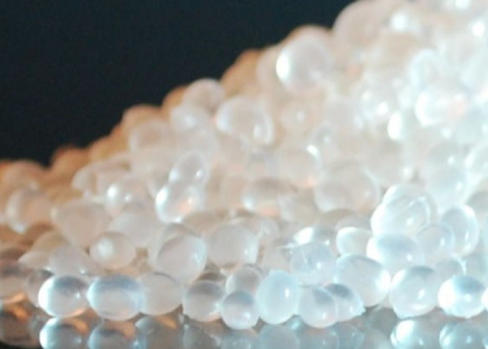
PP Masterbatch has extensive applications across different packaging segments. Its versatility supports both rigid and flexible packaging forms.
PP films require high clarity, gloss, and mechanical strength. Color and additive masterbatches ensure smooth extrusion, stability, and visual quality for films used in food wraps, labels, pouches, and industrial bags.
Rigid packaging components like bottle caps, containers, and tubs rely on PP Masterbatch for color uniformity, surface finish, and strength. Anti-static and UV-resistant masterbatches are often used for cosmetic or pharmaceutical packaging.
Blow molding for bottles and large containers benefits from filler and additive masterbatches that provide impact resistance and cheaper formulation without compromising strength.
Masterbatch allows thermoformed trays, cups, and covers to maintain precise transparency or vivid color. Anti-blocking properties also help during stacking and transport.
Choosing the right PP Masterbatch requires evaluating multiple aspects related to formulation, compatibility, and processing.
- Color Precision: Verify if the masterbatch offers repeatable hue accuracy under different production conditions.
- Dispersion Quality: Poor dispersion can lead to streaks, spots, or inconsistent texture on packaging surfaces.
- Thermal Stability: Ensure the pigments or additives resist degradation at extrusion or molding temperatures.
- Additive Compatibility: Different additives can affect mechanical or optical properties; testing is crucial to achieve balance.
- Regulatory Compliance: For food-grade packaging, certifications like FDA or EU standards must be met.
The global shift toward sustainable materials is reshaping how PP Masterbatch is produced and used. Several innovation trends are gaining momentum:
1. Bio-based Masterbatch: Derived from renewable feedstocks, bio-based carrier resins reduce dependency on fossil fuels.
2. Degradable Additive Formulations: These help accelerate polymer breakdown post-consumer use without compromising integrity during the product's lifecycle.
3. Low-VOC and Heavy Metal-Free Pigments: Ensuring safer production and minimizing environmental hazards.
4. Recycling Optimization: Masterbatch designed to maintain color and mechanical performance even after multiple recycling cycles.
These developments align with global sustainability targets while keeping packaging functionality intact.
Manufacturers benefit from PP Masterbatch not only in performance but also operational terms:
- Simplified material handling and cleaner production environments.
- Reduced pigment and additive consumption due to optimal dispersion.
- Easier calibration of mechanical and optical properties.
- Lower production downtime during color changeovers.
- Enhanced product differentiation through custom color designs.
Although PP Masterbatch offers numerous advantages, some challenges persist:
- Compatibility Issues: Improperly matched masterbatch and base resin can cause poor bonding or irregular dispersion.
- Cost of High-Performance Additives: Specialized or nano-additive masterbatches come at a premium.
- Color Drift Over Time: Some pigments may fade under harsh UV or chemical exposure, requiring ongoing quality testing.
Despite these factors, continuous technological improvements are overcoming many of these constraints, making PP Masterbatch indispensable in modern packaging.
PP Masterbatch has become a cornerstone of the packaging industry. It provides manufacturers with unparalleled control over aesthetics, mechanical performance, and production efficiency. Whether enhancing color vibrancy or extending shelf life through advanced additives, masterbatch technology has revolutionized how polypropylene packaging is designed and produced.
As the industry progresses toward circular economy principles, innovations in eco-friendly PP Masterbatch will further reduce environmental impact while maintaining performance requirements. The future of packaging lies in smart material engineering — and at its center remains the ever-adaptable PP Masterbatch.
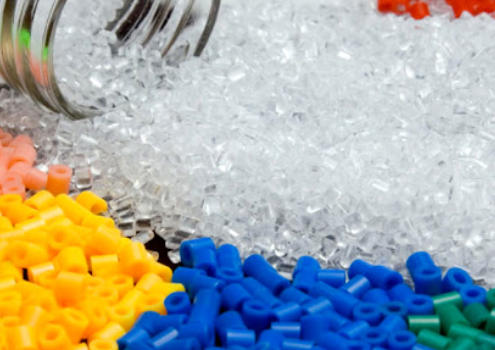
PP Masterbatch enhances color, strength, and functionality in polypropylene packaging without altering the base resin's key properties.
It is mixed with base PP resin in specific ratios (usually 1–5%) before extrusion, injection, or blow molding processes.
Yes. Food-grade PP Masterbatch formulations comply with FDA and EU standards, ensuring safety and non-toxicity for direct food contact.
Absolutely. Many PP Masterbatch products now improve recycled polypropylene performance by restoring brightness and melt flow.
Key factors include pigment dispersion, carrier resin compatibility, additive stability, and compliance with application-specific standards.


