


close
Choose Your Site
Global
Social Media


Views: 222 Author: Rebecca Publish Time: 2026-01-22 Origin: Site


Content Menu
● Understanding PE Masterbatch
>> The Composition of PE Masterbatch
● Types of PE Masterbatch in Packaging
● The Production Process of PE Masterbatch
● Advantages of Using PE Masterbatch in Packaging
>> 1. Cost and Process Efficiency
>> 2. Enhanced Product Quality
>> 3. Customization and Brand Consistency
>> 4. Improved Mechanical and Barrier Properties
>> 5. Sustainable and Recyclable Options
● Applications of PE Masterbatch in the Packaging Industry
● The Role of PE Masterbatch in Sustainable Packaging
● Market Outlook for PE Masterbatch
● Challenges and Future Developments
● FAQ
>> 1. What is the main advantage of using PE Masterbatch in packaging?
>> 2. Is PE Masterbatch environmentally friendly?
>> 3. Can PE Masterbatch be used in food-grade packaging?
>> 4. How is the dosage of Masterbatch determined?
>> 5. What trends are shaping the future of PE Masterbatch?
The packaging industry has undergone tremendous transformation in recent decades, driven by innovation in materials, sustainability requirements, and product customization. One of the pivotal contributors to this evolution is PE Masterbatch, a vital ingredient that enhances the functionality, appearance, and performance of plastic packaging materials. As global markets demand increasingly specific packaging properties — from vivid coloration to UV resistance — Masterbatch technology plays an essential role in delivering tailored solutions efficiently and cost-effectively.
This article explores the composition, production, benefits, and applications of PE Masterbatch, shedding light on how it shapes the modern packaging industry and aligns with the goals of recycling and sustainable development.
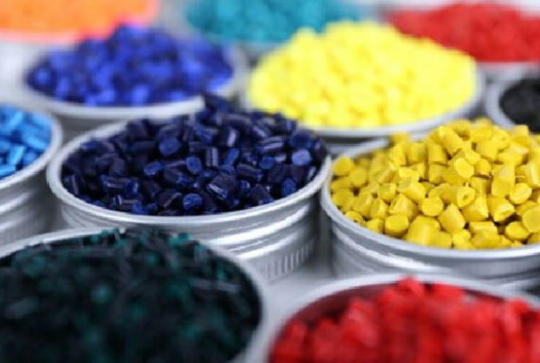
A PE Masterbatch is a concentrated mixture of pigments, additives, and carrier resins — typically polyethylene (PE) — used to modify the color, performance, or other physical characteristics of plastic products. It allows manufacturers to incorporate additives in small, manageable doses rather than working with pure pigments or powders, ensuring uniform dispersion and easier processing.
The Masterbatch acts as a medium between the additive and the polymer, making it possible to achieve precise results without compromising on production efficiency or quality. PE-based Masterbatches are especially popular in packaging because polyethylene is widely used in films, bottles, caps, and containers.
A typical PE Masterbatch formulation includes:
- Carrier Resin (PE): The base material that blends perfectly with the primary polymer during molding or extrusion.
- Additives or Pigments: Providing functional and aesthetic enhancements such as color, UV stability, or antibacterial properties.
- Dispersants: Ensuring uniform distribution of pigments and additives.
- Processing Aids: Improving flow characteristics and molding behavior of the material.
Each component in the Masterbatch is carefully measured to ensure consistent performance and reproducibility, providing manufacturers with the optimal balance between cost and functionality.
Color PE Masterbatches deliver vibrant and consistent hues across packaging materials. They are crucial for brand differentiation in consumer goods packaging, ensuring accurate shade matching and durability even under harsh storage conditions.
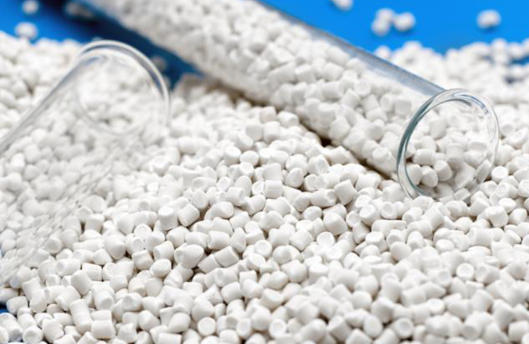
Formulated with high concentrations of titanium dioxide (TiO₂), white Masterbatch provides opacity, brightness, and UV blocking for films and injection-molded products. It is commonly used in milk bottles, cosmetic containers, and food-grade films.
Black PE Masterbatch typically uses high-quality carbon black for deep coloration and light protection. It enhances UV resistance and mechanical strength, making it ideal for agricultural films and industrial packaging.
Additive PE Masterbatches improve specific properties such as anti-static, anti-fog, antioxidant, slip, or flame retardancy. These are critical in applications demanding extended shelf life or improved product safety.
Filler Masterbatch combines calcium carbonate or talc within PE resin to reduce cost and improve stiffness or dimensional stability. These types are widely used in bags, films, and other thin-gauge packaging.
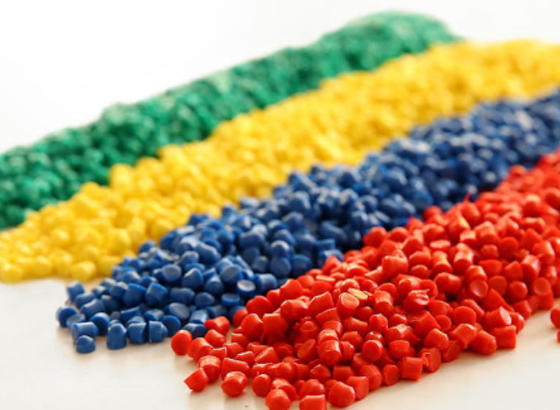
Producing a high-quality PE Masterbatch involves several precise steps that determine final performance and consistency:
1. Raw Material Selection: Choosing compatible carrier resins and additives suited to the target polymer system.
2. Weighing and Mixing: Accurately blending pigments, additives, and PE resin in correct ratios.
3. Melt Compounding: Using twin-screw extruders to mix and melt components under carefully controlled conditions.
4. Cooling and Pelletizing: Cooling the molten compound and cutting it into uniform granules.
5. Quality Testing: Evaluating dispersion, color strength, and mechanical performance before packaging and distribution.
This rigorous process ensures that each batch of Masterbatch provides consistent results and integrates smoothly into customers' production lines.
Using Masterbatch allows manufacturers to achieve desired properties with minimal additive usage. Instead of dosing materials in powder form, pre-formulated pellets simplify handling, reduce waste, and enhance reproducibility in high-speed manufacturing.
PE Masterbatch ensures better dispersion of pigments and additives, eliminating visual defects like streaks or uneven color. It produces packaging that meets strict aesthetic and functional standards required in food, medical, and retail industries.
Every brand markets through color. Color Masterbatch helps maintain consistent shade tones across multiple production runs, reinforcing brand identity and customer recognition.
Specialized additive Masterbatches can enhance packaging strength, flexibility, or moisture barrier properties — key to preserving product freshness and integrity.
Modern PE Masterbatches align with circular economy goals. Many are designed for recyclability and reduced carbon footprint. Biodegradable carrier resins and non-toxic pigments further enhance sustainability credentials.
The packaging industry employs Masterbatch technology across numerous product categories:
- Food Packaging: Enhances hygiene, UV resistance, and shelf appearance in films, containers, and wraps.
- Cosmetic and Personal Care Packaging: Ensures vibrant colors and premium finishes.
- Industrial Packaging: Provides mechanical strength and chemical resistance.
- Agricultural Films: Uses UV and thermal stabilizers to protect crops.
- E-commerce and Courier Bags: Offers opacity and brand customization.
With its wide adaptability, PE Masterbatch remains indispensable in virtually every corner of packaging production.
Sustainability is now at the core of packaging innovation. PE Masterbatch plays a significant role in this shift by:
- Supporting recyclability: Using PE-based carriers ensures compatibility with recycling streams.
- Minimizing waste: Concentrated formulations reduce raw material usage.
- Enabling lightweighting: Enhances performance, allowing thinner packaging without compromising durability.
- Reducing carbon footprint: Optimized formulations help lower energy consumption during processing.
Through these contributions, PE Masterbatch aligns with manufacturers' environmental goals and evolving regulations for eco-friendly materials.
The global Masterbatch market is projected to expand steadily due to increased demand for high-performance and sustainable packaging materials. Asia-Pacific, especially China, remains the largest production hub, driven by technological innovation, cost efficiency, and robust export growth.
Trends such as digital printing, biodegradable plastics, and advanced film extrusion technologies will further shape how PE Masterbatch evolves. Companies focusing on R&D and customization are best positioned to capture new market opportunities.
Despite its advantages, the PE Masterbatch sector faces challenges such as fluctuating raw material prices, environmental pressures, and demand for circular design. The industry's future lies in innovation:
- Developing bio-based polymer carriers.
- Creating multifunctional Masterbatches with antibacterial, anti-odor, or smart-sensing properties.
- Enhancing compatibility with post-consumer recycled (PCR) materials.
- Integrating digital color management for precise reproduction.
Such developments will define the next generation of packaging materials that are both functional and sustainable.
PE Masterbatch has become a cornerstone in the modern packaging industry, providing not just coloration and functionality but also enabling sustainability and innovation. Its integration into packaging processes ensures uniformity, cost efficiency, and design flexibility across diverse applications. As global industries pivot toward sustainable materials, PE Masterbatch technology will continue evolving — empowering manufacturers to meet future challenges with creativity and responsibility.
The key advantage is achieving consistent color and performance while simplifying production. PE Masterbatch ensures uniform dispersion, reduces handling issues, and improves both efficiency and end-product quality.
Yes. Many modern PE Masterbatches are designed with recyclable carriers and eco-safe pigments. Some even utilize bio-based materials to enhance sustainability.
Absolutely. Food-grade PE Masterbatches comply with safety standards to ensure non-toxicity and hygienic performance, making them suitable for food contact applications.
The recommended ratio typically ranges from 1% to 5%, depending on application requirements, pigment strength, and desired color intensity. Manufacturers test optimal levels for precision.
Sustainability, smart packaging, and advanced recycling technologies are the top trends. Innovative Masterbatches now integrate properties like UV protection, antimicrobial effects, and compatibility with recyclable polymers.


