


close
Choose Your Site
Global
Social Media


Views: 222 Author: Rebecca Publish Time: 2025-12-20 Origin: Site


Content Menu
● Understanding ABS and Masterbatch Technology
>> What is ABS?
● The Role of ABS Masterbatch in Modern Manufacturing
>> Optimizing Product Performance
● Key Benefits of Using ABS Masterbatch
>> 1. Consistent Quality and Performance
>> 3. Environmental Sustainability
>> 4. Customization Flexibility
● Types of ABS Masterbatch and Their Applications
● Industrial Applications of ABS Masterbatch
>> Construction and Infrastructure
● Innovation in Custom ABS Masterbatch Formulations
>> Research and Development Focus
>> Color Matching and Digital Precision
● The Future of ABS Masterbatch Technology
● FAQ: ABS Masterbatch Insights
>> (1) What is the main advantage of using ABS Masterbatch?
>> (2) Can ABS Masterbatch be used with recycled materials?
>> (3) How is the right ABS Masterbatch chosen for a project?
>> (4) Is there a difference between color masterbatch and additive masterbatch?
>> (5) How does ABS Masterbatch contribute to cost savings?
In the modern manufacturing world, where performance, appearance, and functionality determine the market competitiveness of plastic products, ABS Masterbatch plays a transformative role. As industries continuously innovate in materials technology, ABS Masterbatch stands out as a versatile additive designed to enhance and customize the properties of ABS resin — one of the most widely used thermoplastic polymers today.

Acrylonitrile Butadiene Styrene (ABS) is a thermoplastic polymer known for its strength, toughness, and excellent surface finish. It combines three monomers: acrylonitrile for chemical resistance, butadiene for toughness, and styrene for a glossy appearance. This unique combination gives ABS a balance of mechanical resilience and aesthetic appeal, making it a preferred material in automotive parts, consumer electronics, household goods, and industrial equipment.
Masterbatch is a concentrated mixture of pigments, additives, and carrier resins used to color plastics or impart them with specific performance features. Instead of directly mixing raw additives into plastic, manufacturers first create a masterbatch pellet that can be measured and added precisely during the extrusion or injection molding process.
There are various types of masterbatches—color masterbatch, additive masterbatch, filler masterbatch, and more—each designed to target specific manufacturing requirements.
ABS Masterbatch doesn't just color materials—it enhances functional performance. By incorporating specialized masterbatch formulations, manufacturers can achieve improvements such as:
- Enhanced UV resistance for outdoor applications.
- Improved flame retardancy to meet safety standards.
- Better impact resistance, especially in low-temperature environments.
- Surface finish control, achieving gloss, matte, or metallic effects.
- Color uniformity, ensuring batch-to-batch consistency.
ABS Masterbatch provides the precision and control that standard raw resin cannot deliver alone. It allows engineers to target specific applications with tailored physical and optical properties.
Masterbatch systems produce a highly consistent and homogeneous mixture, ensuring stable color dispersion and functional performance across production cycles. Whether for consumer products or industrial applications, consistency is crucial for brand reputation and technical reliability.
Using pre-dispersed masterbatches minimizes waste, reduces processing costs, and improves material utilization. Since masterbatch pellets can be easily measured, manufacturers can optimize formulation ratios without risking raw material contamination or uneven mixing.
Modern ABS Masterbatch production prioritizes eco-friendly formulations by using non-toxic pigments and low-VOC additives. Additionally, precise additive dosing leads to less material waste, reducing carbon footprints in large-scale production.
From metallic effects to anti-static formulations, ABS Masterbatch allows for endless design and performance customization. This flexibility enables manufacturers to adapt quickly to shifting market needs and develop differentiated product lines for competitive advantage.
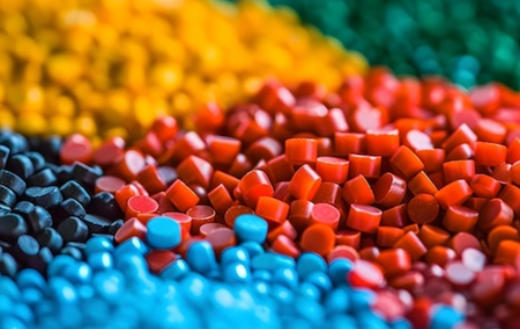
Color is often the most immediate factor consumers notice. Color ABS Masterbatch delivers vibrant, stable hues that maintain visual appeal even under prolonged sunlight or heat exposure. It's widely used in:
- Consumer electronics casings
- Automotive interiors
- Household appliances
- Toys and decorative components
With computer-assisted color matching, manufacturers can reproduce logos and design tones accurately, ensuring consistent branding across all product batches.
Additive types integrate functional ingredients that modify physical and chemical properties without altering base polymer characteristics. Common additive masterbatches include:
- UV stabilizers – Protect products from degradation due to sunlight.
- Anti-static agents – Prevent dust accumulation on plastic surfaces.
- Flame retardants – Enhance fire safety for electronic and automotive components.
- Anti-microbial additives – Used in medical or food-contact products.
- Processing aids – Improve flowability and surface quality during molding.
By combining multiple additives in a single masterbatch, manufacturers save both time and packaging space without compromising performance.
Filler masterbatch modifies the material's mechanical or thermal properties, often optimizing cost-efficiency. Common filler materials include calcium carbonate, talc, or glass fibers.
Applications include structural components that require rigidity or dimensional stability, especially in household and construction plastics.
Functional masterbatches combine both additive and performance properties. For example, a UV + color masterbatch simultaneously enhances sunlight resistance and aesthetic quality, ideal for outdoor consumer goods or vehicle interiors exposed to extreme conditions.
In automotive manufacturing, weight reduction and aesthetic appeal are key priorities. ABS Masterbatch allows designers to create lightweight panels, trims, and dashboard components that mimic metal finishes while retaining high mechanical durability.
Flame-retardant and heat-resistant formulations are also essential for safety compliance in automotive interiors and electric vehicle components.
Consumer electronics demand durable, high-gloss materials with consistent colors. ABS Masterbatch ensures uniform appearance and impact strength in phone housings, laptop cases, and kitchen appliances.
Conductive or anti-static masterbatches further protect sensitive electronic circuitry from static discharge.
ABS pipe fittings, wall panels, and electrical housings benefit from masterbatches that improve weatherability, UV stability, and color longevity—vital for long-term outdoor use.
ABS Masterbatch provides flexibility in packaging components requiring translucence, gloss, or unique finishes. The combination of light diffusion additives and colorants allows packaging designers to achieve sophisticated visual effects with durability.
Every industry has different specifications regarding aesthetics, mechanical performance, and compliance standards. Custom ABS Masterbatch formulations are developed based on:
- Material process flow (injection, extrusion, blow molding)
- Final product end-use environment
- Regional regulatory requirements (RoHS, REACH, FDA, etc.)
- Customer-specific performance goals
Continuous R&D in polymer sciences allows masterbatch producers to improve dispersion technologies, carrier compatibility, and additive synergy. The use of advanced twin-screw extruders ensures perfect mixing and uniform pellet quality.
Advanced laboratory spectrophotometers ensure exact shade replication through computer-controlled color matching, reducing trial-and-error waste. This capability speeds up production while simplifying scaling from pilot runs to mass production.
Looking forward, the ABS Masterbatch market is evolving toward smart materials and environmental sustainability. Developments include:
- Biodegradable masterbatch carriers for eco-friendly applications.
- Nanotechnology-based additives offering ultra-high strength and barrier performance.
- Recycled ABS-compatible masterbatches, designed for circular economy manufacturing.
- Functional integration for mechanical, electrical, and optical properties in single formulations.
These innovations are positioning ABS Masterbatch as a key enabler in the green transformation of plastic manufacturing.
ABS Masterbatch is more than a processing additive — it's the cornerstone of customization and performance optimization across multiple sectors. From automotive elegance and electronic precision to construction reliability and packaging innovation, its impact is far-reaching.
By combining technical expertise, advanced formulation technology, and sustainable design, today's manufacturers can leverage ABS Masterbatch to deliver products that not only meet functional requirements but also reflect the next generation of plastic innovation.
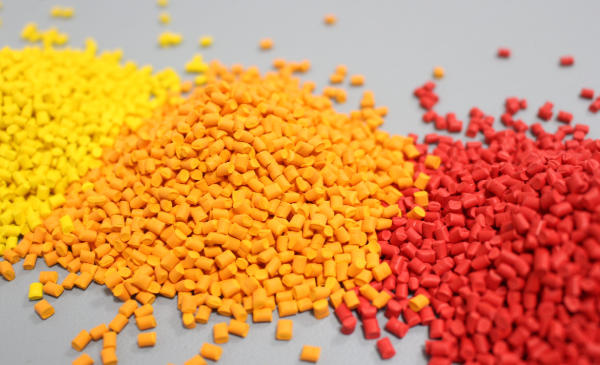
ABS Masterbatch ensures consistent color dispersion, improved product uniformity, and enhanced mechanical properties. It simplifies manufacturing by pre-compounding pigments and additives into an easily measurable form.
Yes. Specially designed masterbatch formulations can enhance the color and physical quality of recycled ABS resins, helping manufacturers maintain product consistency while supporting sustainability goals.
Selection depends on factors such as base resin type, processing conditions, end-use applications, environmental exposure, and color requirements. Collaboration with masterbatch suppliers ensures precise matching and performance.
Yes. Color masterbatch focuses primarily on pigmentation and visual effects, while additive masterbatch modifies performance characteristics like UV resistance, flame retardancy, or antibacterial properties.
By minimizing waste, ensuring process stability, and improving output consistency, masterbatches reduce material waste and improve operational efficiency. They also eliminate the need for multiple direct additives in production.


