


close
Choose Your Site
Global
Social Media


Views: 222 Author: Rebecca Publish Time: 2025-12-14 Origin: Site


Content Menu
>> Composition and Key Ingredients
● The Role of ABS Masterbatch in Modern Manufacturing
>> Enhancing Product Performance
● Sustainability Advantages of ABS Masterbatch
>> 4. Compliance with Global Regulations
● Applications of ABS Masterbatch Across Industries
>> Construction and Building Materials
>> Packaging and Home Appliances
>> 3D Printing and Additive Manufacturing
● Choosing the Right ABS Masterbatch
● The Future of ABS Masterbatch in Sustainable Manufacturing
● Why Partner with a Chinese ABS Masterbatch Manufacturer
● FAQ
>> 1. What is the main purpose of ABS Masterbatch?
>> 2. Is ABS Masterbatch environmentally friendly?
>> 3. How is ABS Masterbatch used in production?
>> 4. What industries benefit most from ABS Masterbatch?
>> 5. Can ABS Masterbatch be customized?
As industries across the world pursue smarter, greener production, ABS Masterbatch is emerging as a critical enabler of sustainable innovation in plastics manufacturing. Combining the performance resilience of Acrylonitrile Butadiene Styrene (ABS) with customizable color, additive, and reinforcement options, ABS Masterbatch enhances both functionality and environmental performance. This article explores how ABS Masterbatch contributes to modern manufacturing efficiency, sustainability, and product design innovation.

ABS Masterbatch is a concentrated mixture of pigments, additives, and ABS resin. It is designed to modify or improve the properties of the base ABS polymer. Manufacturers typically use it to achieve specific color effects, UV stability, flame retardancy, or enhanced impact resistance. By adding a small percentage of Masterbatch to raw resin during processing, producers gain precise control over final material characteristics without compromising product consistency.
A typical ABS Masterbatch consists of three main components:
- Base Resin: Usually a high-grade ABS polymer, ensuring compatibility with the host material.
- Pigments or Fillers: Provide color, opacity, or functional enhancement.
- Additives: Include anti-UV, antistatic, lubricants, or flame-retardant agents tailored to application needs.
This engineered formulation allows manufacturers to eliminate additional processing steps, simplifying production and improving product uniformity.
ABS Masterbatch plays a pivotal role in modern manufacturing strategies, especially in industries where precision, aesthetics, and durability are critical. Electronics housings, automotive parts, and consumer goods frequently rely on ABS-based systems due to their impact strength and surface finish.
By customizing the formulation of ABS Masterbatch, manufacturers can achieve superior mechanical stability, color accuracy, and thermal resistance. Key advantages include:
- Enhanced impact absorption: Ideal for automotive and electronics components exposed to stress.
- Improved color dispersion: Enables consistent color production across batches.
- Thermal and chemical resistance: Ensures performance stability under high-heat or chemical exposure conditions.
These benefits make ABS Masterbatch vital for consistent, large-volume production lines.
ABS Masterbatch improves manufacturing efficiency by optimizing resource use. Instead of coloring large volumes of resin directly, color and additive concentration in the Masterbatch ensures only small doses are needed. This results in:
- Lower raw material waste.
- Reduced cleaning and setup time during color changeovers.
- Stable product quality across production cycles.
The combination of cost savings and environmental advantages aligns with global manufacturing sustainability standards.
Sustainability is no longer optional—it is the foundation of industrial competitiveness. ABS Masterbatch supports sustainability in several key dimensions.
Since the Masterbatch delivers highly concentrated additives, manufacturers can reduce the total amount of pigment and resin needed per production run. This approach minimizes resource consumption while maintaining top-quality outputs.
Modern ABS Masterbatch materials are designed to work effectively in recycled or regrind ABS polymers. Reused Masterbatch enables circular production cycles, extending material life and reducing dependence on virgin polymers. Sustainable formulations may include biodegradable additives or renewable fillers.
Using optimized Masterbatch reduces energy demands in extrusion, molding, and coloring. Because Masterbatch disperses pigments uniformly, melt processing temperatures can often be lowered without sacrificing quality—directly cutting manufacturing energy costs.
Sustainable ABS Masterbatch products are formulated to meet REACH, RoHS, and FDA standards. This compliance ensures global market adaptability, granting manufacturers safer international distribution potential while ensuring eco-friendly operations.
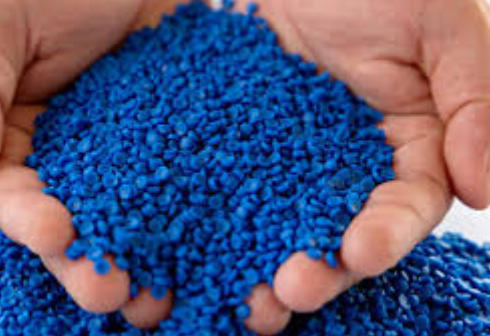
ABS Masterbatch supports a wide range of industrial applications due to its balance of mechanical strength, processing versatility, and aesthetic flexibility.
In modern vehicles, weight reduction and durability are primary targets. Components such as dashboard panels, trims, mirror housings, and internal fittings rely on ABS Masterbatch to deliver strong, lightweight, and visually appealing surfaces. Additive features like UV resistance and flame retardancy ensure long-lasting performance.
Smartphone housings, routers, and appliance casings benefit from ABS Masterbatch formulations that deliver gloss retention, impact tolerance, and precise coloration. Manufacturers can achieve sleek designs and surface textures while maintaining cost-efficient throughput.
ABS Masterbatch enhances piping systems, connectors, and structural plastics with improved thermal stability and surface protection. Anti-UV and weathering-resistant Masterbatch grades extend product lifespan for both indoor and outdoor applications.
Bright, vivid colors and environmental compatibility make ABS Masterbatch suitable for high-end packaging and household goods. The addition of anti-scratch or antibacterial agents further strengthens hygiene and durability.
With the rise of digital manufacturing, ABS-based filaments enriched with Masterbatch additives allow designers to prototype with superior visual and mechanical properties. These formulations open new pathways for customized, small-batch production.
Selecting the ideal Masterbatch depends on the desired outcomes—be it aesthetic precision, mechanical reinforcement, or environmental compliance.
- Compatibility: Ensure the Masterbatch resin and base polymer match to avoid processing inconsistencies.
- Additive concentration: Choose appropriate dosage to prevent under- or over-saturation.
- Processing temperature: ABS Masterbatches are sensitive to heat; consistent control ensures uniform dispersion.
- Supplier reliability: Manufacturers with advanced R&D and quality control capabilities deliver stable and repeatable product performance.
Customized Masterbatch formulation, especially from suppliers offering in-house compounding, enhances control over hue, gloss, and structural attributes.
The global Masterbatch market is rapidly evolving. Innovations in nanotechnology, circular materials, and bio-based additives are reshaping what's possible. For ABS Masterbatch specifically, upcoming trends include:
- Bio-based ABS alternatives: Incorporating renewable bio-resins to minimize fossil dependency.
- Smart additive systems: Integrating self-healing or conductive materials for advanced electronics.
- Closed-loop production: Designing Masterbatch systems fully compatible with recycled ABS streams.
As regulatory frameworks tighten, high-quality, sustainable Masterbatch solutions will become central to manufacturing strategies worldwide.
China has become a major hub for Masterbatch innovation, driven by investments in precision compounding and R&D capabilities. Working with an experienced Chinese supplier offers key advantages:
- Comprehensive solutions: Custom formulations for diverse applications.
- Competitive cost performance: Efficient production supported by advanced processing systems.
- Quality assurance: Adherence to ISO, SGS, and global safety certifications.
- R&D collaboration: Tailored solutions aligned with specific product design or sustainability targets.
Partnering with a reliable supplier in China helps global manufacturers balance quality, affordability, and environmental responsibility.
ABS Masterbatch stands at the intersection of performance, customization, and sustainability in modern manufacturing. By enabling energy-efficient processes, reducing material waste, and enhancing product quality, it allows industries to meet both operational and ecological goals. As manufacturing evolves toward greener, smarter systems, ABS Masterbatch will continue to define the next generation of plastic material innovation.
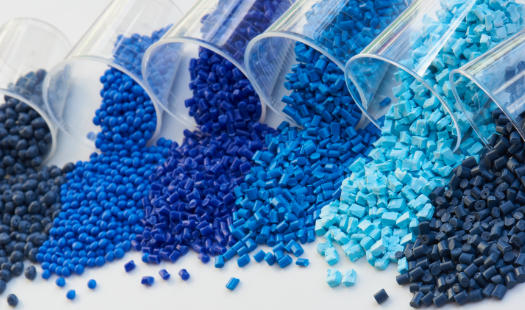
ABS Masterbatch provides concentrated additives and pigments to modify ABS polymer properties, improving mechanical performance, appearance, and processing efficiency.
Yes. Modern formulations are developed to support recyclability, reduce waste, and comply with international eco-regulations, making them a sustainable choice for manufacturers.
It is typically mixed in small ratios (1–5%) with base resin during injection molding, extrusion, or compounding, providing uniform color and additive dispersion.
Key users include automotive, electronics, household appliance, construction, and packaging industries—all requiring durable, high-precision plastic components.
Absolutely. Manufacturers can tailor Masterbatch formulations for color, texture, UV resistance, flame retardancy, or other specific performance needs.


